Every child experiences the world differently. For some children, everyday sounds, bright lights, busy places, touch, or too much movement can feel overwhelming. This can make simple activities such as sitting in a classroom, playing with others, or following a daily routine more difficult.
For children with autism and ADHD, having a calm and supportive space can make a real difference. Sensory Rooms for Children are designed to provide a safe environment where children can explore different sensory experiences, take a break, move around, or simply relax.
A sensory room can include soft lighting, tactile toys, swings, bubble tubes, fibre optic lights, movement equipment, calming sounds, and other sensory resources. The goal is not to fill a room with equipment, but to create a space that matches the child’s needs.
Why Are Sensory Rooms Helpful for Children with Autism and ADHD?
Children with autism and ADHD may experience sensory information differently. Some children may be highly sensitive to noise, light, touch, or movement, while others may seek more sensory input.
A sensory room gives children a controlled environment where they can experience different types of sensory input without the same level of distraction found in a busy classroom or public space.
For parents, this can mean having another helpful option when a child needs time to calm down, focus, or manage sensory overload.
Benefits of Sensory Rooms for Children
1. Helps Children Feel Calm
Busy surroundings can sometimes feel overwhelming for children. Loud sounds, bright lights, crowds, and constant movement may make it difficult for them to feel comfortable. A sensory room provides a quieter space where children can slow down and relax through soft lighting, calming sounds, gentle movement, or tactile activities. For parents, having access to a calm space can be helpful when a child needs a break from everyday stimulation.
2. Supports Emotional Regulation
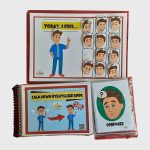
Children may not always be able to explain when they feel overwhelmed, and they may instead become upset, restless, withdrawn, or frustrated. Sensory Rooms for Children provide a space where they can take a break and use activities that help them feel more settled. Over time, children may also begin to understand which activities make them feel comfortable. Since every child responds differently, parents and caregivers should observe what works best for them.
3. Can Support Better Focus
Children with ADHD may find it difficult to sit still or stay focused for long periods, especially when there are many distractions around them. A sensory room can provide a short break where children can use movement activities, tactile tools, or other sensory resources before returning to their learning. This break can help some children use their energy in a positive way and feel more prepared to take part in classroom activities.
4. Encourages Sensory Exploration
Children learn about the world through their senses by touching objects, listening to sounds, watching movement, and exploring different textures. A sensory room gives them a safe space to experience these things at their own pace. They can explore different textures, lights, sounds, and movement equipment without feeling rushed. For children with autism, this type of controlled sensory experience can be especially useful when it matches their comfort level and individual needs.
5. Provides a Safe Space During Sensory Overload
Sensory overload can happen when a child receives more sensory information than they can comfortably manage. This may happen in a noisy classroom, crowded place, shopping centre, or busy family environment. A sensory room gives the child a place to step away from these situations and spend some quiet time with familiar sensory resources. Parents, teachers, and caregivers can also work together to understand when a child may benefit from taking a sensory break.
6. Supports Movement and Body Awareness
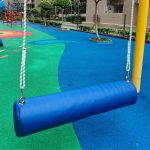
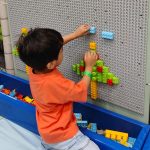
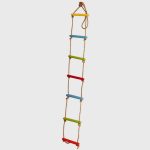
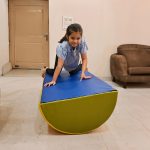
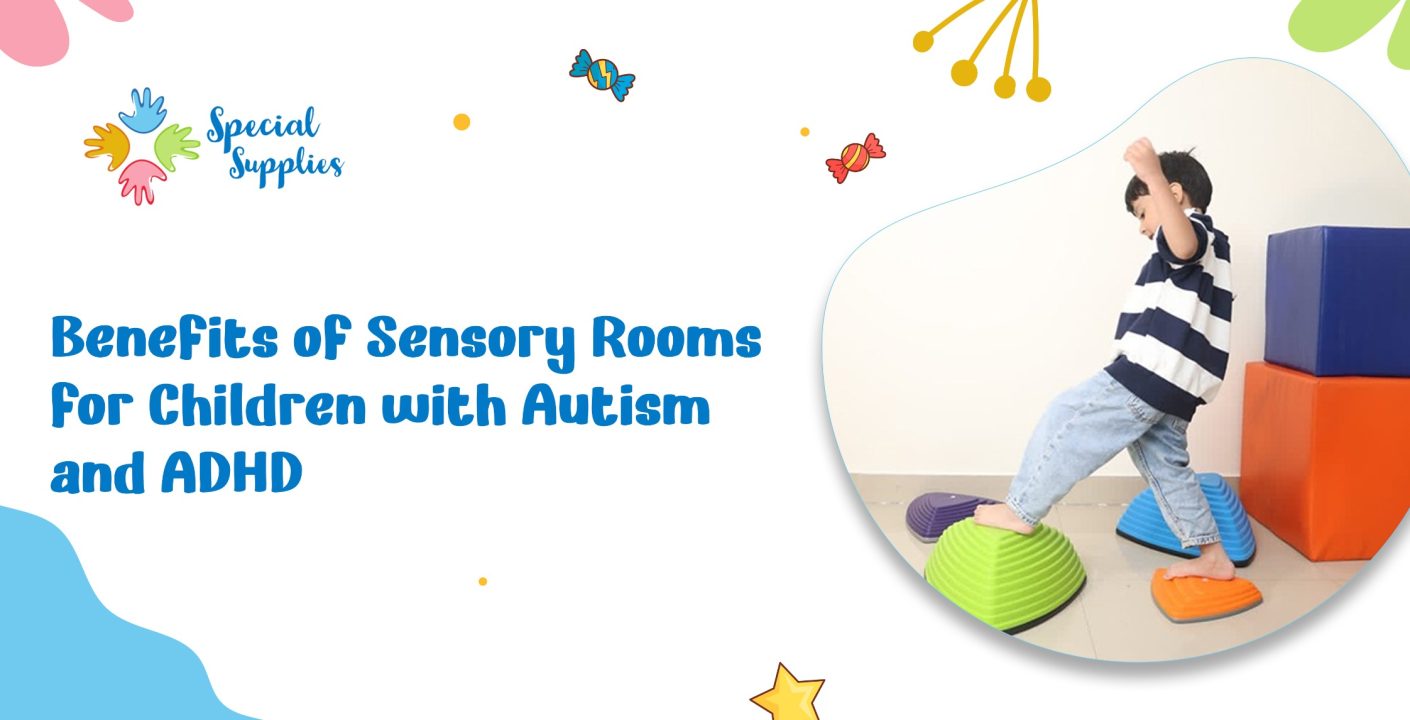
Some children need more movement during the day, and sitting for long periods can be difficult, particularly for children with ADHD. Movement-based Sensory Rooms for Children can include swings, balance equipment, tunnels, crash mats, and other suitable activities that allow children to move in a safe and structured way. These activities can also make sensory play more enjoyable while supporting balance, coordination, and body awareness.
7. Encourages Independence
A sensory room can help children understand their own sensory preferences over time. With suitable support, a child may begin to recognise when they need a quiet break or when a particular activity helps them feel more comfortable. One child may prefer sitting in a quiet area, while another may feel better after movement or tactile activities. Learning these preferences can help children become more confident in understanding and managing their own needs.
8. Creates a More Comfortable Learning Environment
When children feel overwhelmed, it can become difficult for them to concentrate and take part in learning activities. A sensory room does not replace classroom learning, but it can provide additional support when a child needs a break. By working together, parents and schools can create a simple sensory routine based on the child’s needs, helping make the school day more comfortable and giving the child a better opportunity to return to learning.
What Can Be Included in a Sensory Room?
The equipment in a sensory room should be selected according to the child’s age, needs, and preferences. Some commonly used options include:
- Sensory lighting
- Fibre optic lights
- Bubble tubes
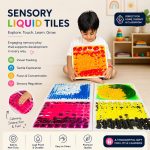
- Tactile toys and panels
- Fidget tools
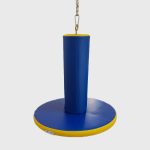
- Sensory swings
- Balance equipment
- Lycra tunnels
- Crash mats
- Weighted products where appropriate
- Noise-reducing headphones
- Calming music and audio resources
Parents do not need to include every type of equipment. A simple, well-planned space can be more useful than a room filled with products that a child does not enjoy or need.
How Can Parents Make a Sensory Room More Useful?
The first step is to understand the child’s individual sensory needs. Pay attention to the situations that make the child uncomfortable and the activities that help them feel calm.
Keep the room organised and avoid adding too many activities at once. Give the child time to explore each item and see how they respond.
It is also important to use sensory equipment safely and follow the manufacturer’s instructions. For equipment such as swings or weighted products, parents should seek suitable professional guidance when needed.
Final Thought
For parents of children with autism or ADHD, finding ways to make everyday experiences more comfortable can be an ongoing journey. Sensory Rooms for Children can offer a simple and supportive space where children can take a break, explore their senses, move, and relax in a way that suits them.
The most important thing is to focus on the child rather than simply filling a room with sensory products. Every child is different, and the right sensory environment should be built around their comfort, safety, and individual needs.
Special Supplies offers a wide range of sensory and therapy products that can help parents, schools, and caregivers create supportive sensory spaces for children. From tactile resources and calming products to sensory room equipment, choosing the right tools can help make the space more useful and engaging for every child.
Frequently Asked Questions
Are sensory rooms good for children with autism?
Sensory rooms can be helpful for many children with autism, particularly when they need a calm space or experience sensory overload. The type of sensory activities that work best can vary from child to child.
Can children with ADHD benefit from sensory rooms?
Yes. Children with ADHD may benefit from a space where they can take movement breaks, reduce distractions, and engage in activities that support their sensory needs.
How does a sensory room help with sensory overload?
A sensory room can provide a quieter and more controlled environment away from overwhelming sounds, lights, crowds, or other distractions. Children can use suitable sensory activities to take a break and settle.
What should a sensory room for children include?
It can include sensory lighting, tactile resources, movement equipment, calming sounds, visual activities, and comfortable spaces. The right choices depend on the child’s age, needs, and preferences.
Do sensory rooms only help children with autism and ADHD?
No. Sensory rooms can be useful for many children who need a quiet space, sensory break, movement activity, or a different environment to support their comfort and focus.
How long should a child stay in a sensory room?
There is no fixed amount of time that works for every child. A sensory break should be based on the child’s needs and response. Parents, teachers, and professionals can work together to decide what is appropriate.
Is sensory equipment safe for children?
Sensory equipment can be safe when it is age-appropriate, properly installed, and used according to the manufacturer’s instructions. Parents should pay particular attention to safety when using movement or weighted equipment.