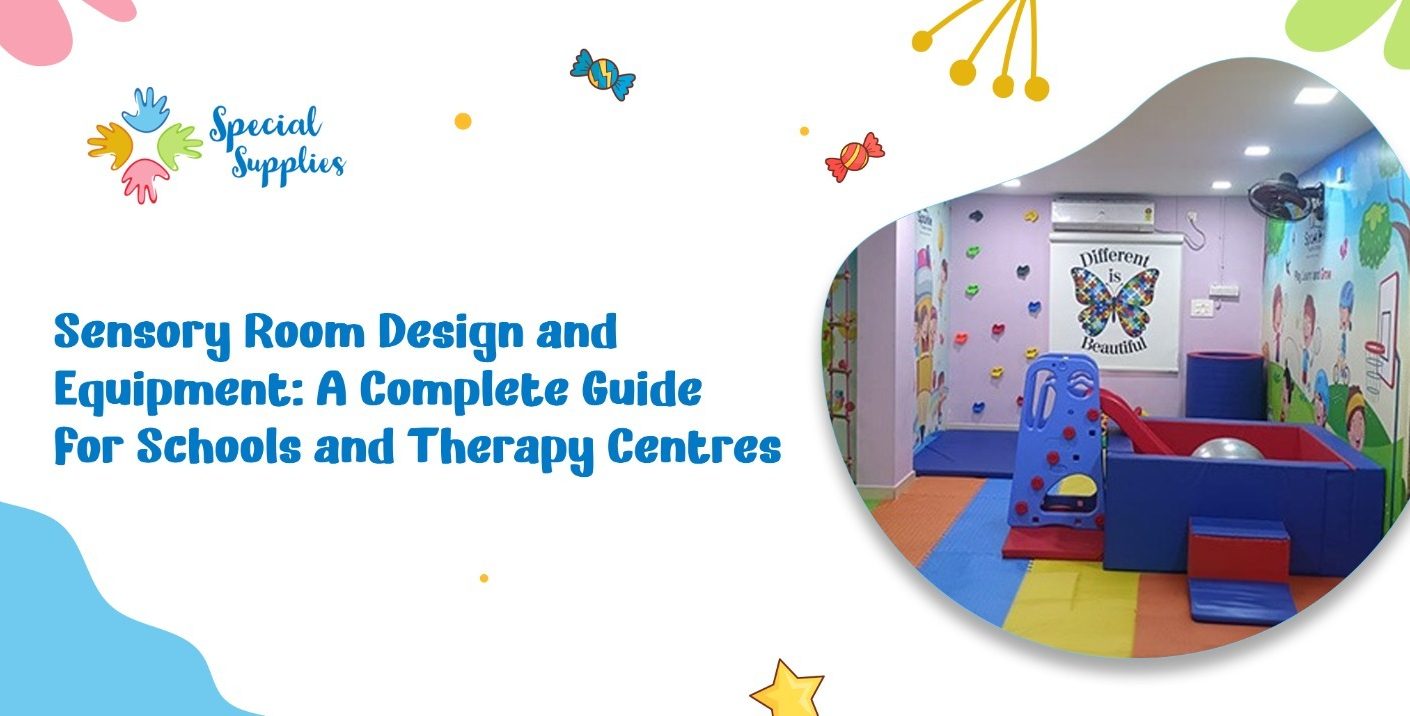
Every individual experiences the world through their senses, but sensory processing can vary significantly. For children and individuals with autism, sounds, lights, textures and movement can create different sensory responses. A well-planned Sensory Room Design provides a supportive environment for visual exploration, tactile activities, movement and relaxation.
Schools, special education centres, hospitals and therapy centres are increasingly adopting sensory spaces to support different sensory needs. Effective Sensory Room Design involves more than choosing colourful lights and equipment. It requires careful planning of space, equipment, safety and individual sensory preferences to create a functional and engaging environment.
What Is Sensory Room Design and Why Is It Important?
Sensory Room Design refers to planning a dedicated space that offers different sensory experiences through lighting, sounds, textures, movement and interactive equipment. These spaces are created to accommodate individual sensory preferences, providing opportunities for calming activities, sensory exploration and movement.
For schools, sensory rooms offer a dedicated area for structured activities and individual exploration. In therapy centres, they help therapists create suitable sensory experiences based on individual needs, making the environment more supportive, engaging and comfortable.
How to Plan a Sensory Room for Schools and Therapy Centres
Before selecting sensory room equipment, it is important to understand how the space will be used. A sensory room designed for a school may have different requirements from one used in an occupational therapy centre.
1. Understand the Needs of the Intended Users
Identify users’ age groups, sensory preferences, sensitivities and activity requirements before selecting equipment. This helps create a space that supports individual needs rather than adding unnecessary sensory products.
2. Select the Right Room Size and Layout
Choose a layout that makes the best use of available space. Organise areas for visual, tactile and movement-based activities while maintaining clear pathways and enough room for safe movement.
3. Plan Lighting, Colours and Room Ambience
Use adjustable lighting, balanced colours and minimal visual distractions to create a comfortable environment. Consider diffused lighting and window coverings to control brightness and accommodate different sensory preferences.
Essential Sensory Room Equipment Every Institution Should Consider
Choosing suitable equipment is one of the most important parts of sensory room planning. Different products offer different experiences, so the selection should depend on the intended activities and the needs of the users.
How to Plan a Sensory Room for Schools and Therapy Centres
1. Bubble Tubes and Bubble Columns for Visual Engagement
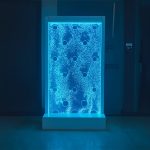
Illuminated water columns with moving bubbles and colour-changing LED lights create engaging visual experiences. Available in different heights, sizes and designs, they offer continuous visual movement and can serve as a focal point in sensory rooms. Selected models also include interactive controls to adjust lighting effects.
2. Fibre Optic Lights for Visual and Tactile Exploration
Fibre optic lights feature multiple illuminated strands that can be held, touched and explored. Their flexible design and changing colours combine visual effects with tactile interaction, making them suitable for hands-on sensory activities in dedicated visual exploration areas.
3. Sensory Projectors for Interactive Visual Experiences
Sensory projectors display colourful patterns, images and moving effects across walls and ceilings. With different projection themes and adjustable settings in selected models, they introduce visual variety and can be incorporated into structured sensory activities.
4. Soft Play Equipment for Movement-Based Activities
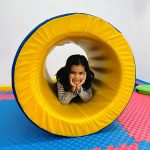
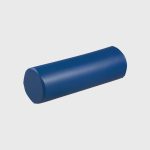
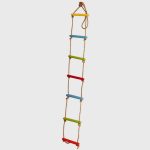
Soft play equipment includes padded blocks, foam shapes, climbing elements and cushioned products designed for physical interaction. Available in different shapes, sizes and modular arrangements, these products help create dedicated spaces for supervised movement, exploration and play.
5. Sensory Swings for Movement and Balance Activities
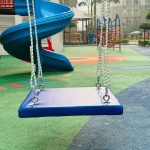
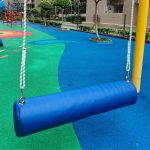
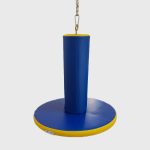
Sensory swings provide controlled movement experiences through different seating styles and support options. Available in ceiling-mounted and frame-supported models, they can be selected according to individual physical abilities, sensory preferences and therapist recommendations.
6. Tactile Panels and Sensory Toys for Hands-On Exploration
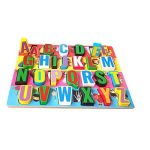
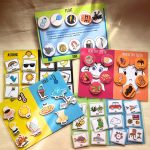
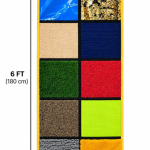
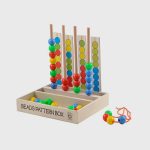
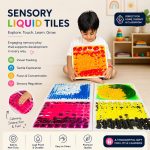
Tactile panels and sensory toys feature different textures, shapes and interactive elements that encourage hands-on exploration. They can be incorporated into wall-mounted activity areas, tabletop setups or dedicated sensory corners to support individual and group activities.
How to Create Different Activity Zones Within a Sensory Room
A functional sensory room should allow users to explore different activities without making the entire environment overwhelming. Dividing the space into activity zones can help organise equipment and make the room easier to use.
Visual Sensory Zone
This area can include fibre optic lights, bubble tubes, sensory projectors and colour-changing LED equipment. The objective is to provide opportunities for visual exploration through colours, patterns and movement.
Tactile Sensory Zone
A tactile activity area can include textured panels, sensory boards, soft materials and interactive toys. Different surfaces and objects allow users to explore materials through touch.
Movement and Active Zone
This area may include soft play equipment, sensory swings and other suitable movement-based products. Adequate floor space and appropriate safety arrangements are essential for activities involving physical movement.
Quiet and Relaxation Zone
A quieter area can include comfortable seating, soft furnishings and adjustable lighting. This space can provide an option for individuals who prefer a less stimulating environment or need a break from other activities.
mportant Safety Considerations for Sensory Room Setup
Safety should be considered from the initial planning stage rather than after equipment installation. Sensory rooms may include electrical products, mounted equipment, moving components and water-based installations, making proper arrangements essential.
Here are some important considerations:
Safe Equipment Installation: Ensure that wall-mounted lights, ceiling fixtures, swings and other equipment are installed according to manufacturer instructions and appropriate safety requirements.
Electrical Safety: Use suitable electrical connections, secure cables and protect electrical components from accidental contact or damage.
Non-Slip Flooring: Choose flooring that provides suitable grip and is comfortable for the activities planned within the room.
Equipment Maintenance: Regularly inspect lighting units, moving components, mounting fixtures and other products to identify wear or damage.
Adequate Supervision: Ensure that children and other users have appropriate supervision during activities involving movement, electrical equipment or interactive products.
Clear Movement Areas: Keep entrances, exits and walking pathways free from obstructions to support safe movement throughout the room.
Final Thought
A successful sensory room starts with understanding individual needs and planning the space accordingly. From fibre optic lights and bubble tubes to tactile panels and soft play equipment, each product can contribute to different sensory experiences. The right combination of equipment, thoughtful layout and appropriate safety arrangements helps schools and therapy centres create spaces that are practical, flexible and engaging.
At Special Supplies, we offer sensory and therapy equipment to support schools, hospitals, special education institutions and therapy centres in developing well-planned sensory environments. Our range helps institutions explore suitable equipment options for creating spaces that consider different sensory needs.
FAQs
1. What is the purpose of a sensory room in therapy centres?
Sensory rooms provide an adaptable environment where therapists can conduct planned sensory activities using different lighting, tactile, visual and movement-based equipment.
2. How much space is required for a sensory room?
There is no fixed room size. The required space depends on the number of users, equipment selection, planned activities and accessibility requirements.
3. Which sensory lighting equipment is suitable for autism sensory rooms?
Fibre optic lights, bubble tubes, sensory projectors and adjustable LED lights are commonly used options. Selection should depend on individual visual preferences and comfort.
4. How can sensory rooms be made safe for children?
Use appropriately installed equipment, secure electrical connections, suitable flooring and clear pathways. Regular equipment inspections and appropriate adult supervision are also important.
5. Can schools and therapy centres purchase sensory room equipment in bulk?
Yes. Institutions can purchase multiple sensory and therapy equipment products according to their room requirements, planned activities and available budget.