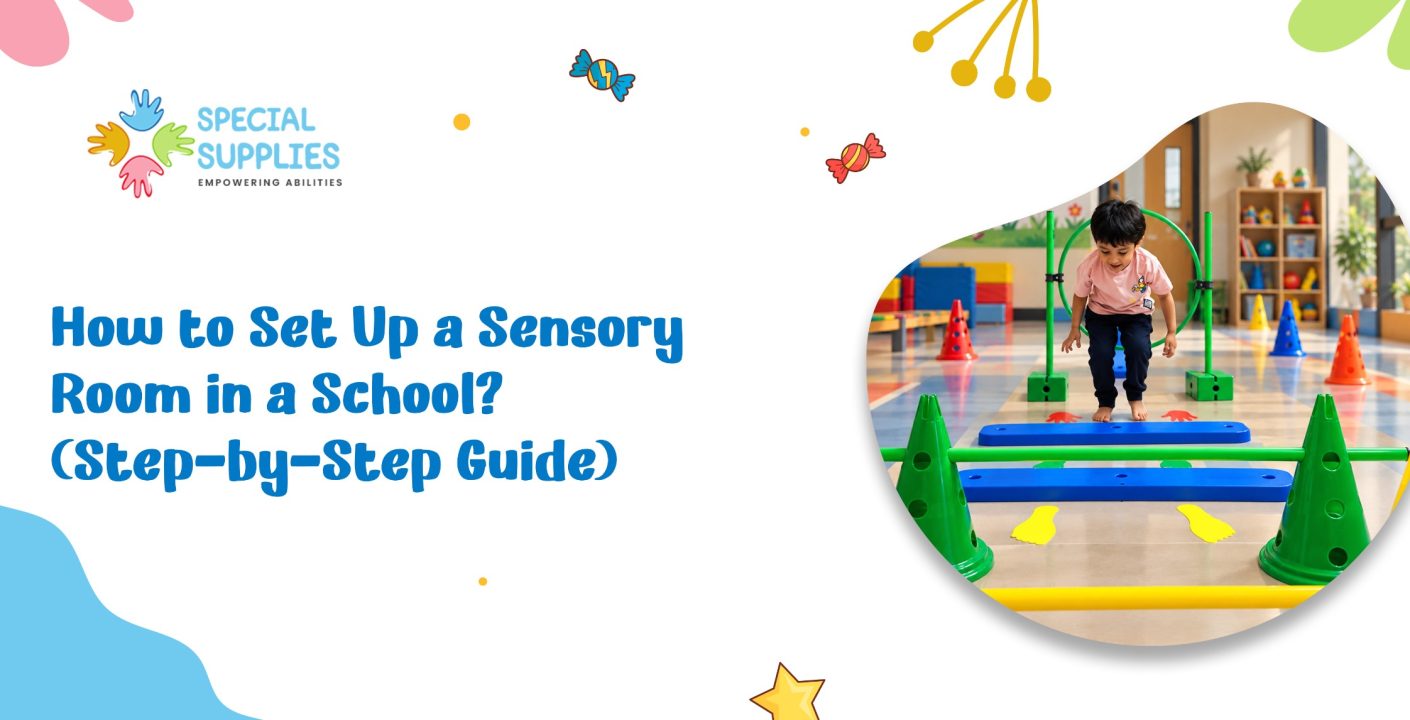
A school environment can be exciting and engaging, but for some children, everyday sounds, movement, lights and classroom activities can feel overwhelming. A well-planned sensory space can give children a quiet place to regulate, refocus and engage with their surroundings at their own pace.
Setting up a sensory room for school does not always mean creating a large or expensive space. With the right planning, even a small room or dedicated corner can become a useful environment for sensory exploration and self regulation.
What Is a Sensory Room for School?
A sensory room is a dedicated space designed to provide controlled sensory experiences through activities, equipment and carefully planned surroundings. It can include visual, auditory, tactile and movement-based experiences.
In a school, the space can be used by children who need a break from classroom stimulation, benefit from additional sensory input or need support with focus and regulation.
The purpose is not simply to fill a room with sensory equipment. It is about creating an environment where each element has a clear purpose.
Step 1: Understand the Needs of Your Students
Before choosing equipment, understand the children who will use the space.
Consider:
- What sensory challenges are commonly seen in the school?
- Do some children become overwhelmed by noise or bright lights?
- Do certain children seek movement or tactile experiences?
- Is the space intended for individual use, small groups or both?
- What age groups will use the room?
Speaking with teachers, special educators, occupational therapists and other professionals can help the school understand these requirements better.
Step 2: Choose the Right Space
The room does not need to be very large. What matters more is that it is safe, accessible and easy to supervise.
Ideally, a sensory room for school should be away from extremely noisy or crowded areas. The space should have enough room for children to move safely and should allow equipment to be organised without making the room feel cluttered.
If a complete room is not available, a dedicated sensory corner can also be planned within a larger learning environment.
Step 3: Plan Different Sensory Zones
Creating different zones can make the room more purposeful and easier to use.
Calming Zone
This area can provide a quieter environment for children who need time away from classroom stimulation. Soft furnishings, comfortable seating and controlled lighting can help create a more relaxing atmosphere.
Movement Zone
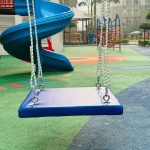
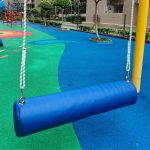
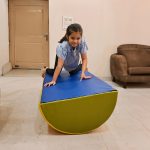
Some children benefit from opportunities to move, stretch, balance or engage their bodies. Depending on the available space and professional recommendations, movement equipment can be included to support these needs.
Tactile Zone
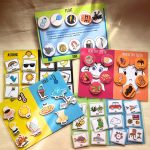
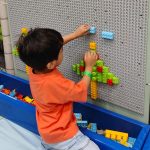
Tactile activities allow children to explore different textures and materials. Sensory toys, textured objects and hands on activities can make this area engaging while encouraging sensory exploration.
Visual Zone
Visual elements can create interesting and controlled sensory experiences. Items such as fibre optic lights, bubble tubes or other visual sensory equipment can be considered based on the needs of the children using the room.
Step 4: Select Sensory Equipment Carefully
The equipment should be selected according to the purpose of the room rather than simply choosing the largest variety available.
Some options may include:
- Sensory toys and tactile activities
- Fibre optic lighting
- Soft seating and cushions
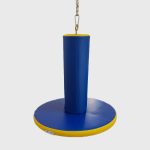
- Balance and movement equipment
- Visual sensory equipment
- Fidget and fine motor tools
- Auditory activities
- Weighted or resistance-based resources, where recommended by a professional
For a sensory room for school, every product should be age-appropriate, safe and suitable for the children who will use it.
Step 5: Keep the Environment Organised
A sensory room should feel welcoming rather than overwhelming. Too many colours, sounds, lights or activities at once can defeat the purpose of creating a controlled sensory environment.
Keep equipment organised and accessible. Use storage solutions that allow teachers and staff to quickly find what they need while keeping the floor area clear.
It can also be useful to introduce sensory activities gradually rather than making everything available at the same time.
Step 6: Focus on Safety
Safety should be considered before aesthetics or equipment variety.
Make sure:
- Equipment is suitable for the age and abilities of the children.
- Furniture and equipment are stable and securely positioned.
- There is enough space for safe movement.
- Electrical equipment and cables are properly managed.
- Materials are durable and easy to clean.
- Staff know how to supervise children in the room.
Schools should also follow the manufacturer’s safety guidance and seek professional advice when selecting or using specialised sensory equipment.
Step 7: Create a Simple Usage Plan
A sensory room works best when there is a clear plan for how it will be used.
Teachers and staff can decide when children may use the room, how long sessions should last and which activities are appropriate for different needs.
The room can be used as part of a child’s broader support plan rather than simply as a place to go whenever they feel overwhelmed.
Observing how children respond to different activities can also help staff understand which sensory experiences are useful for them.
Step 8: Review and Adapt the Space
A sensory room does not have to remain the same forever. As students’ needs change, the equipment and layout can also be reviewed.
Schools can regularly assess:
- Which activities children engage with most
- Which equipment is rarely used
- Whether the room is helping children return to learning
- Whether the space remains safe and accessible
- What additional resources may be needed
This ongoing approach can help the sensory room for school remain relevant and useful.
Benefits of a Well-Planned Sensory Room
A thoughtfully designed sensory space may help schools provide children with opportunities to:
- Take a structured break from classroom stimulation
- Explore different sensory experiences
- Develop body awareness
- Practise self-regulation
- Improve readiness for learning
- Engage in movement and tactile activities
- Build independence in managing sensory needs
The benefits can vary from child to child, so the room should always be planned around individual needs rather than a one-size-fits-all approach.
Can a Sensory Room Replace Therapy?
No. A sensory room should complement, not replace, professional support.
Occupational therapists, special educators, speech therapists and other professionals can help schools understand individual sensory and developmental needs and recommend suitable activities or equipment.
The school team can then use the space as part of a broader approach to supporting the child’s learning and development.
Final Thoughts
Creating a sensory room for school is less about having an impressive collection of equipment and more about creating a purposeful, safe and supportive environment.
By understanding student needs, planning different sensory zones, selecting suitable equipment and regularly reviewing how the space is used, schools can create a sensory environment that supports exploration, regulation and readiness to learn.
A well planned sensory space can become an important part of an inclusive school environment, giving children the opportunity to pause, reset and return to learning in a way that works for them.
Frequently Asked Questions
1. Does every school need a separate sensory room?
Not necessarily. Schools can create a dedicated sensory room or a smaller sensory corner depending on their available space, student needs and resources.
2. What equipment is needed in a sensory room for school?
Equipment can include sensory toys, tactile resources, visual lighting, movement equipment, comfortable seating and fine motor activities. The selection should be based on the needs of the children using the space.
3. Can a sensory room be used by children of different ages?
Yes, but the equipment and activities should be age appropriate and suitable for the individual abilities and needs of the children.
4. How often should children use a sensory room?
There is no universal schedule. Usage can depend on the child’s needs, school support plan and recommendations from relevant professionals.
5. Can a small classroom have a sensory space?
Yes. A dedicated corner with carefully selected sensory resources can provide useful sensory opportunities even when a full room is not available.