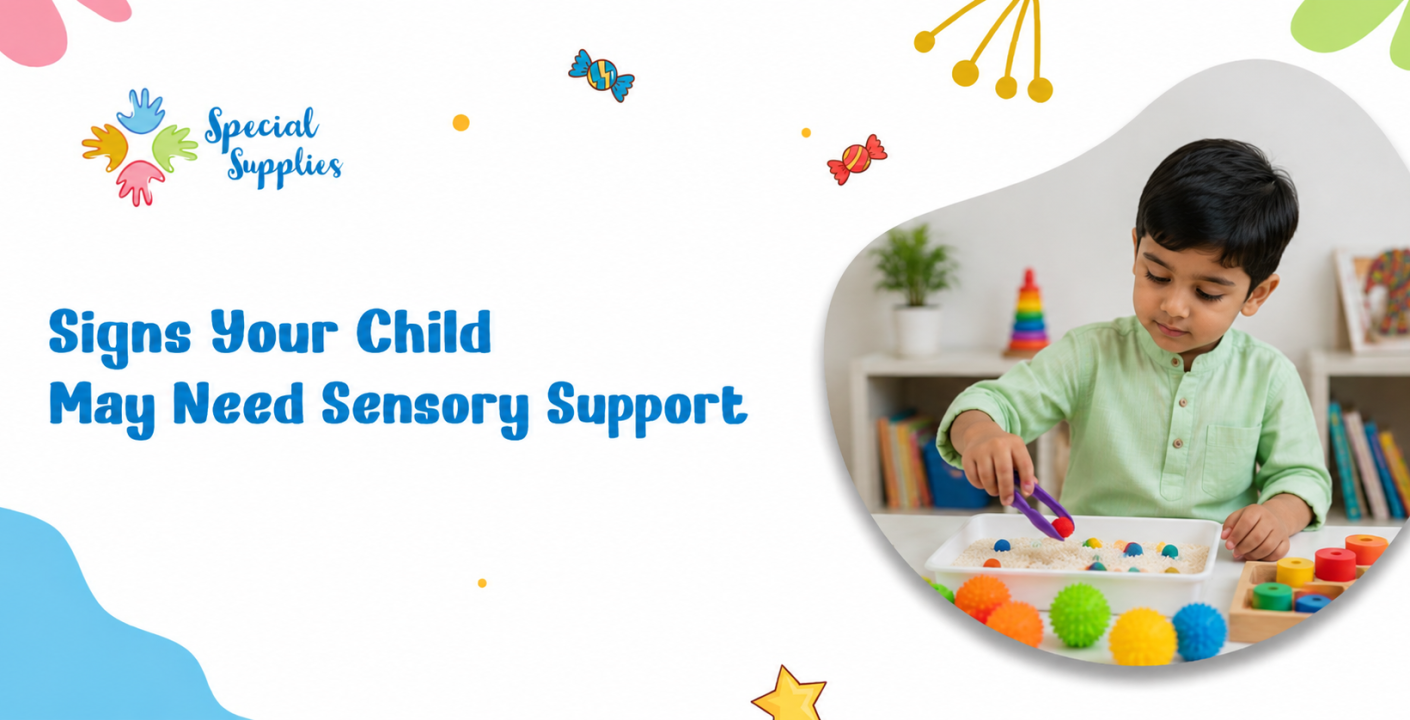
Children experience and respond to the world around them in different ways. Everyday sensations such as sounds, lights, textures, movement, and touch may feel comfortable for one child but overwhelming or difficult for another. When these responses begin to affect a child’s play, learning, sleep, communication, or daily routines, it may be helpful to explore their sensory needs.
Sensory Support for Children focuses on creating comfortable and engaging ways for children to manage and explore different types of sensory input. This can include sensory toys, movement activities, tactile tools, calming spaces, and other sensory products suited to a child’s individual preferences.
In this guide, we will look at common signs that may indicate a child could benefit from sensory support, how sensory needs can affect everyday activities, and the different ways parents, educators, and therapists can create a more supportive sensory environment.
What Is Sensory Processing?
Sensory processing is the way the brain receives, interprets, and responds to information from the senses. This includes everyday sensations such as sounds, sights, smells, textures, movement, touch, and body position. Our brains constantly organise this information so we can understand what is happening around us and respond appropriately.
Children can process sensory information in different ways. Some may be highly sensitive to certain sounds, lights, textures, or movements, while others may actively seek stronger sensory experiences. For example, one child may cover their ears in a noisy environment, while another may enjoy loud sounds or constantly seek movement.
What Does Sensory Support Mean for Children?
Sensory support refers to the tools, activities, strategies, and environments that help children comfortably manage and respond to different types of sensory input. It is not about changing how a child experiences the world, but about providing appropriate ways to help them feel comfortable, engaged, and ready to participate in everyday activities.
For some children, sensory support may involve sensory toys, tactile activities, movement-based equipment, calming spaces, weighted products, or visual sensory tools. The right approach depends on what the individual child seeks, avoids, or finds overwhelming.
Sensory support can be used at home, school, or therapy settings to make activities such as learning, playing, eating, and transitioning between tasks more manageable. An occupational therapist can also help identify a child’s specific sensory needs and recommend appropriate strategies or equipment.
Common Signs of Sensory Processing Difficulties
Sensory processing difficulties can look different from one child to another. A child may be over-sensitive to certain sensations, seek more sensory input, or have difficulty organising sensory information. These signs do not necessarily mean a child has a specific condition, but when they regularly interfere with everyday activities, it may be useful to discuss them with a qualified professional.
Overreacting to Sounds, Lights, or Touch
Some children may find everyday sensory experiences unusually intense. They might cover their ears around loud noises, become uncomfortable under bright lights, or strongly react when someone touches them unexpectedly. Busy environments with multiple sounds and visual distractions may feel particularly overwhelming.
Avoiding Certain Textures or Clothing
A child may refuse certain clothes, fabrics, or materials because they feel uncomfortable against the skin. They may dislike socks, labels, rough textures, or messy play and prefer familiar materials that feel predictable and comfortable.
Seeking Constant Movement or Physical Activity
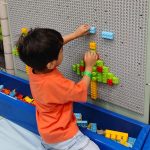
Some children actively look for movement throughout the day. They may frequently run, jump, spin, climb, rock, or bounce because movement provides sensory input that feels enjoyable or helps them stay engaged.
Difficulty Staying Focused
Sensory distractions can sometimes make it harder for a child to concentrate on an activity. Background noise, movement around them, uncomfortable clothing, or other sensations may interrupt their attention, particularly in busy classrooms or unfamiliar environments.
Becoming Easily Overwhelmed in Busy Environments
Crowded places, shopping centres, classrooms, parties, or noisy surroundings can provide a large amount of sensory information at once. A child may become upset, withdraw, cover their ears, or want to leave when the environment feels too overwhelming.
Frequent Chewing, Biting, or Mouthing Objects
Some children seek oral sensory input by chewing pencils, toys, clothing, or other objects. Frequent mouthing or chewing may be a way of seeking sensory feedback, although it is important to consider the child’s age and safety when choosing appropriate alternatives.
Difficulty With Balance and Coordination
Sensory processing is also connected to movement and body awareness. Some children may appear unsteady, have difficulty judging where their body is in space, or struggle with activities such as climbing, balancing, catching, or navigating obstacles.
Strong Reactions to Everyday Sensations
A child may have unusually strong responses to sensations that others find ordinary, such as hair brushing, bathing, certain smells, food textures, or changes in temperature. These reactions can sometimes make everyday routines challenging and may indicate that the child needs additional sensory support.
Sensory Seeking vs Sensory Avoiding: What’s the Difference?
| Sensory Seeking | Sensory Avoiding |
| Actively looks for more sensory input | Tries to avoid or reduce sensory input |
| Enjoys spinning, jumping, running, or constant movement | May dislike movement such as swings, slides, or spinning |
| Frequently touches objects, surfaces, or people | May avoid being touched or dislike physical contact |
| May chew toys, clothing, or other safe objects | May avoid certain foods, textures, or objects in the mouth |
| Enjoys bright colours, lights, patterns, or visual movement | May find bright lights or busy visual environments uncomfortable |
| May seek loud sounds or make repetitive noises | May cover their ears around loud or unexpected sounds |
| Often enjoys messy or tactile play | May avoid sand, paint, mud, or certain textures |
| May constantly move or fidget to stay engaged | May become overwhelmed or withdraw in busy environments |
| Looks for stronger or more frequent sensory experiences | Prefers predictable, quieter, or less stimulating surroundings |
How Sensory Toys and Tools Can Help
Sensory toys and tools are designed to provide children with different types of sensory input in a controlled, engaging, and comfortable way. They can be particularly useful for children who seek additional sensory experiences or find certain everyday sensations overwhelming.
For example, fidget toys can provide tactile input for children who enjoy keeping their hands busy, while sensory balls and textured toys can encourage touch and exploration. Movement-based products such as sensory swings can provide vestibular input, while visual tools such as fibre optic lights and bubble tubes can offer engaging visual stimulation.
Sensory tools can also be incorporated into everyday routines at home, school, and therapy centres. They may support activities such as focused play, transitions, quiet time, or sensory breaks. The most effective product depends on the child’s individual sensory preferences, age, and developmental needs, so it is important to choose tools thoughtfully rather than using the same products for every child.
Types of Sensory Products for Children
Sensory products are available in many forms, with each one offering different types of sensory input. Choosing the right product depends on the child’s individual preferences, developmental needs, and the type of sensory experience they find helpful.
Sensory Toys
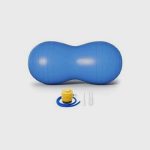
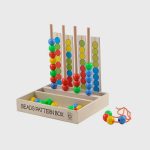
Sensory toys provide engaging ways for children to explore touch, movement, sound, and visual stimulation. Products such as fidget toys, sensory balls, and interactive toys can encourage exploration while helping children stay engaged during play or sensory activities.
Oral Sensory Tools
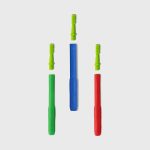
Oral sensory tools are designed for children who seek oral input through chewing, biting, or mouthing. Appropriate oral motor and sensory products can provide a safer alternative to everyday objects while supporting oral awareness and sensory exploration.
Sensory Swings
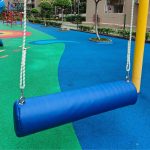
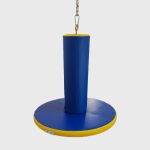
Sensory swings provide movement-based sensory input and can be used for activities involving balance, body awareness, and movement. They are commonly found in sensory rooms and therapy environments and should be selected according to the child’s needs and used with appropriate safety measures.
Weighted Products
Weighted products, including weighted blankets and other sensory aids, provide deep-pressure input that some children find calming and comforting. They may be incorporated into quiet activities or relaxation routines when appropriate for the child.
Tactile Toys
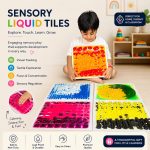
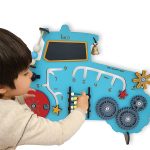
Tactile toys allow children to explore different textures, shapes, and surfaces through touch. Items such as textured balls, gel-based toys, and sensory boards can encourage hands-on exploration and help children experience different forms of tactile input.
Sensory Room Equipment
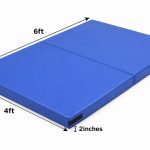
Sensory room equipment can combine multiple forms of sensory stimulation within one dedicated environment. Products such as bubble tubes, fibre optic lights, sensory swings, crash mats, and visual sensory equipment can help create an interactive space for sensory exploration, relaxation, and structured activities.
How to Create a Sensory-Friendly Environment at Home
A sensory-friendly environment at home can give children a comfortable space where they can manage sensory input and take breaks when the surroundings feel overwhelming. It does not need to be a separate room; even a small, thoughtfully arranged corner can become a useful sensory space.
Start by observing which sounds, lights, textures, movements, or smells your child enjoys or avoids. Keep the space simple and organised, reduce unnecessary noise and clutter, and use softer or adjustable lighting if bright lights are uncomfortable. You can also introduce suitable sensory products based on your child’s preferences, such as tactile toys, sensory balls, fidget tools, oral sensory products, sensory swings, or fibre optic lights.
Final Thoughts
Understanding a child’s sensory needs can make everyday experiences more comfortable and manageable. Sensory processing difficulties may appear through small behaviours, such as avoiding certain textures, seeking constant movement, becoming overwhelmed by noise, or struggling to focus—but every child experiences sensory input differently.
The goal of sensory support for children is not to eliminate these behaviours, but to understand what a child may be communicating through them and provide appropriate ways to meet their sensory needs. From sensory toys and oral sensory tools to tactile products, weighted items, and sensory room equipment, the right tools can become part of a supportive routine at home, school, or therapy settings.
At Special Supplies, we offer a wide range of sensory and therapeutic products designed to support children with different sensory and developmental needs. Our collection includes sensory toys, occupational therapy products, oral motor tools, sensory swings, tactile products, and sensory room equipment—helping parents, educators, and therapists create more engaging and supportive environments for children.
Frequently Asked Questions
1. How do I know if my child needs sensory support?
Look for patterns rather than one-off behaviours. If your child consistently becomes overwhelmed by sounds, avoids certain textures, seeks excessive movement, struggles with everyday routines, or frequently seeks specific types of sensory input, they may benefit from having their sensory needs explored.
2. Does sensory sensitivity mean my child has autism?
No. Sensory differences can occur in children with autism as well as in children without autism. Sensory behaviours alone cannot be used to diagnose autism or another developmental condition.
3. Can a child be both sensory seeking and sensory avoiding?
Yes. A child may seek certain sensations while avoiding others. For example, they might enjoy jumping and movement but dislike loud sounds or particular clothing textures. Sensory responses can also change depending on the environment and the child’s state.
4. What sensory tools should I start with?
There is no single sensory product that works for every child. Start by understanding the type of input your child appears to seek or avoid. Simple options such as tactile toys, sensory balls, fidget tools, or appropriate oral sensory tools can be introduced gradually while observing the child’s response.
5. Can sensory toys improve a child’s behaviour?
Sensory toys are not designed to “fix” behaviour. They can provide appropriate sensory input that may help some children feel more comfortable, engaged, or regulated. When a child’s sensory needs are better supported, certain challenging situations may become easier to manage.
6. How can sensory support help at school?
Sensory support can make classroom participation more manageable for children who are easily distracted or overwhelmed by noise, movement, textures, or other environmental input. Sensory breaks, appropriate classroom tools, movement activities, and a quiet area can be incorporated based on the child’s needs.