For some children with autism, everyday environments can feel overwhelming. Bright lights, loud sounds, crowded spaces, unfamiliar textures and unexpected changes may cause discomfort or sensory overload. Other children may seek movement, pressure, sound or visual stimulation to feel more comfortable.
A sensory room provides a controlled environment where children can explore different sensory experiences in a safe and structured way. Thoughtful sensory room design focuses on creating a space that matches a child’s individual sensory needs while supporting relaxation, engagement and development.
What Is a Sensory Room?
A sensory room is a specially designed space that offers different sensory experiences through carefully selected equipment and activities. It may include soft lighting, tactile surfaces, sensory toys, mirrors, movement equipment, soft seating and calming areas.
The purpose is not to fill the room with equipment. Effective sensory room design considers which sensory experiences a child needs and which ones may be overwhelming.
How Can a Sensory Room Help Children with Autism?
1. Creates a Calmer Environment
Children who are sensitive to sound, light or movement may become overwhelmed in busy surroundings. A sensory room can provide a quieter and more predictable space where stimulation can be controlled.
Soft lighting, comfortable seating and reduced visual clutter can make the environment more manageable.
2. Supports Sensory Exploration
Sensory activities allow children to experience different textures, movements, sounds and visual effects in a controlled setting.
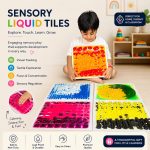
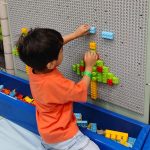
Tactile panels, sensory toys and movement activities can encourage exploration while helping children become more familiar with different sensations.
3. Provides Opportunities for Movement
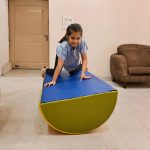
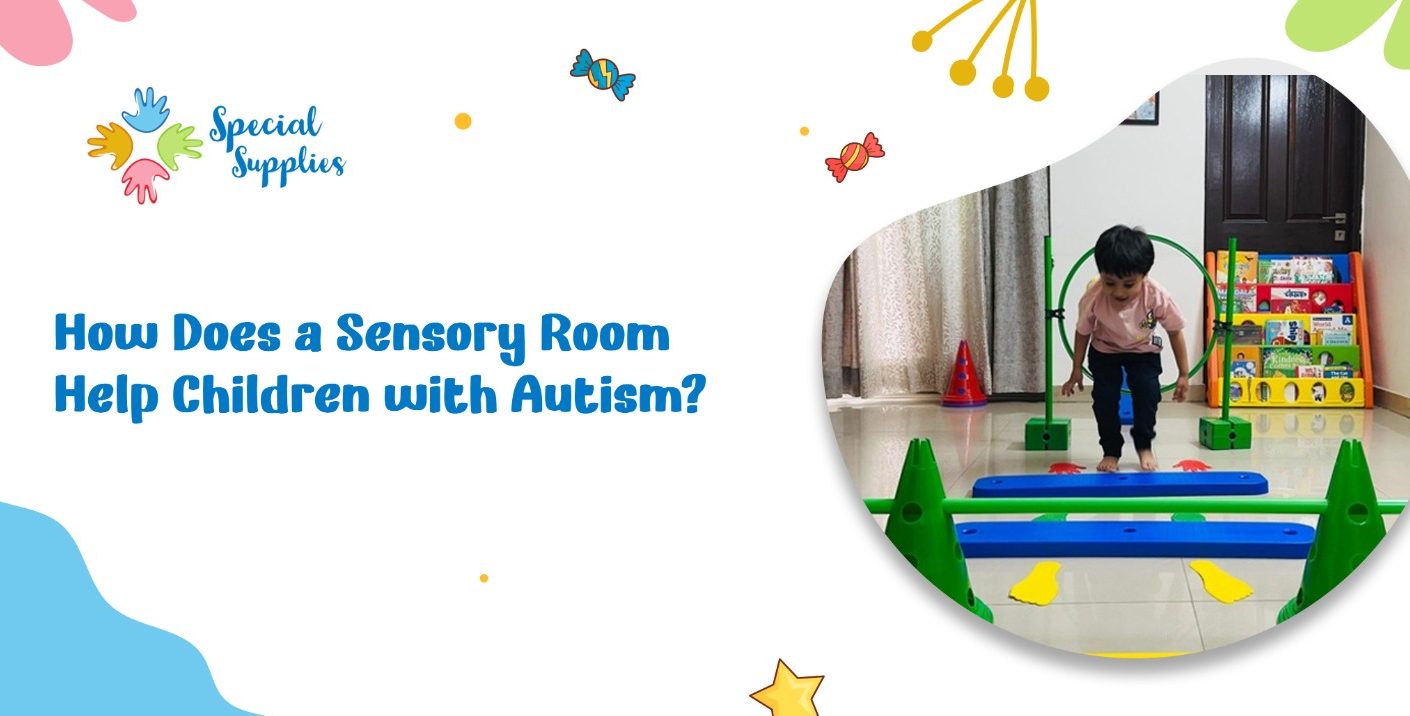
Some children seek movement by jumping, rocking, spinning or climbing. A sensory room can provide suitable opportunities for movement through age appropriate equipment.
Activities should always be selected according to the child’s abilities and used with appropriate supervision.
4. Encourages Focus and Engagement
When children are overwhelmed by their surroundings, concentrating can become difficult. A well organised sensory space can reduce unnecessary distractions and provide activities that match their sensory preferences.
For some children, becoming more settled through sensory activities can make it easier to participate in learning, play or communication activities.
5. Supports Self Regulation
A sensory room can give children a place to practise strategies for managing emotions and sensory experiences with support from parents, teachers or therapists.
Over time, children may begin to recognise which activities help them feel calmer or more organised.
Sensory Seeking vs Sensory Avoiding
Children respond to sensory input differently, which is why individualised sensory room design is important.
Sensory seeking children may:
- Constantly move around
- Enjoy jumping or spinning
- Touch objects frequently
- Seek deep pressure
- Look for strong visual stimulation
They may benefit from structured movement and tactile activities.
Sensory avoiding children may:
- Cover their ears around loud sounds
- Avoid bright lights
- Dislike certain textures
- Become distressed in crowded places
- Avoid unexpected touch
They may benefit from quieter areas, softer lighting and fewer competing sensory inputs.
A child can also show both sensory seeking and sensory avoiding behaviours in different situations.
Key Elements of Sensory Room Design
Lighting
Adjustable or softer lighting can be helpful for children who are sensitive to bright lights. Visual lighting features can also be used for children who enjoy visual stimulation.
Sound
Some children enjoy gentle sounds, while others may find additional noise overwhelming. Having control over the sound level allows the environment to be adapted.
Tactile Activities
Different textures can encourage sensory exploration. Tactile panels, textured surfaces and sensory toys can provide varied experiences.
Movement Equipment
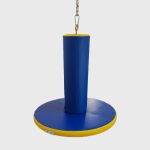
Depending on the child’s needs and professional recommendations, a sensory room may include swings, balance equipment or other movement resources.
Calming Spaces
A quiet corner with comfortable seating can give children a place to reduce sensory input when they need a break.
Organisation and Safety
Clear pathways, secure equipment and suitable storage are essential. The space should also allow caregivers to supervise children effectively.
How to Plan a Sensory Room for a Child
There is no single sensory room setup that works for every child. Before selecting equipment, consider:
- Which sensory experiences does the child seek?
- Which sensations does the child avoid?
- Does the child need movement or a calming space?
- How does the child respond to sound and light?
- Which activities help the child become more engaged?
An occupational therapist or other qualified professional can help identify appropriate sensory strategies.
Can a Sensory Room Replace Therapy?
No. A sensory room is a supportive environment and should not replace professional assessment or therapy.
Occupational therapists, speech therapists and other qualified professionals can help determine which activities are suitable for a child’s individual needs. A sensory room can complement these interventions by providing an appropriate space for recommended activities.
Final Thoughts
A sensory room can provide children with autism a safe and supportive environment to explore sensations, move, relax and engage with activities at their own pace.
The effectiveness of the space depends on thoughtful planning rather than the amount of equipment used. Good sensory room design considers the child’s individual sensory preferences and balances stimulating activities with opportunities for calm.
With appropriate resources, supervision and professional guidance, a sensory room can become a valuable part of a child’s learning, therapy and everyday routine.
Frequently Asked Questions
What is the purpose of a sensory room?
A sensory room provides a controlled environment where children can explore sensory experiences, relax, engage in activities and practise strategies that support regulation.
Is a sensory room only for children with autism?
No. Sensory rooms may also be useful for children with different developmental, sensory or learning needs. The environment should always be adapted to the individual child.
What equipment is used in a sensory room?
Equipment can include sensory toys, tactile panels, soft seating, mirrors, lighting features, movement equipment and calming resources. The selection should depend on the child’s needs.
How does Sensory Room Design benefit autistic children?
Good sensory room design creates a predictable and adaptable environment where sensory input can be adjusted. This can support sensory exploration, relaxation, engagement and self regulation.
Can parents create a sensory room at home?
Yes. A sensory space does not have to be large or expensive. A quiet corner with suitable sensory resources, comfortable seating and controlled lighting can be a useful starting point.
Should a sensory room always be supervised?
Supervision depends on the child’s age, abilities and the equipment being used. Movement equipment and certain sensory resources may require direct adult supervision.