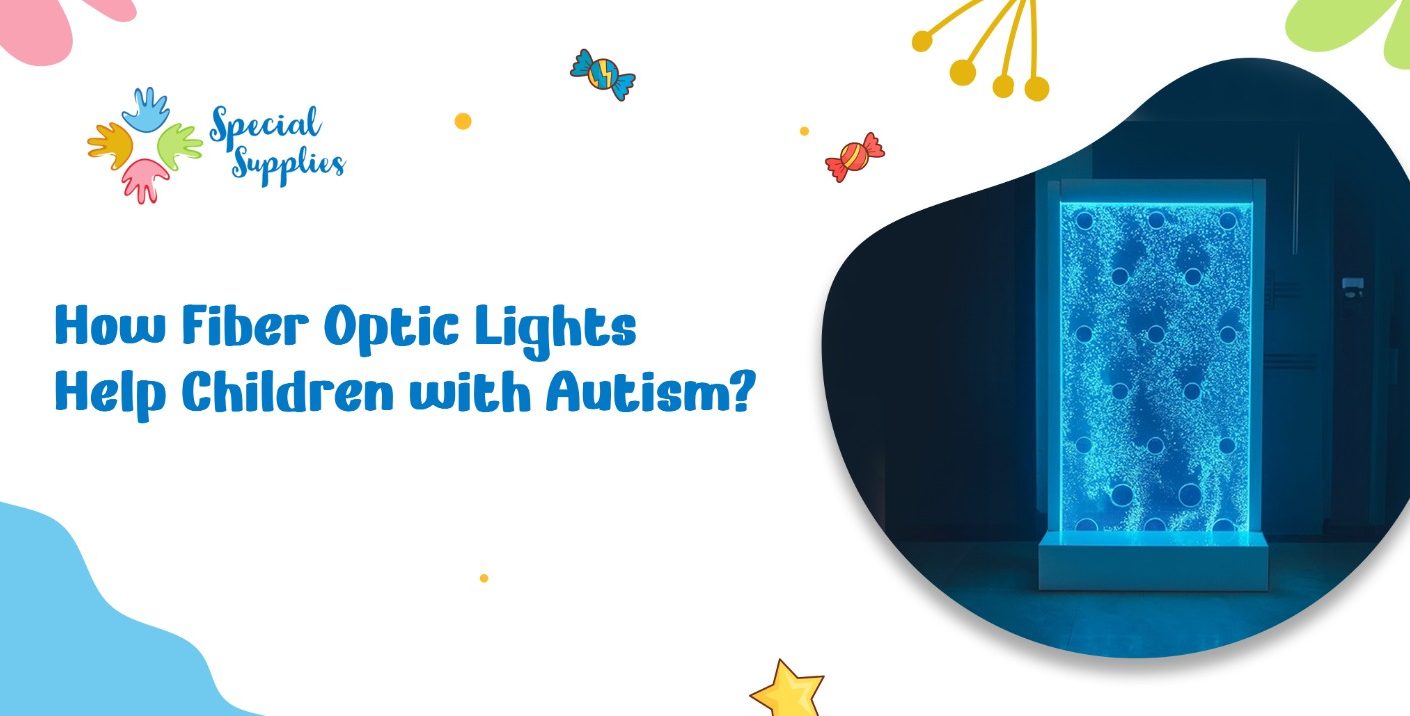
Children with autism may experience the world around them differently, particularly when it comes to sensory input such as light, sound, touch, and movement. Creating a comfortable and engaging sensory environment can help support their individual needs and encourage positive sensory experiences.
Fiber Optic Lights for Autism are popular visual sensory tools that provide gentle, colourful and interactive light experiences. The changing lights can encourage visual attention, sensory exploration, and relaxation when used appropriately. They are commonly used in sensory rooms, therapy centres, schools, and home environments.
In this guide, we’ll explore how Fiber optic lights work, their potential benefits for children with autism, and how they can be incorporated into a supportive sensory environment.
What Are Fiber Optic Lights?
Fiberoptic lights are visual sensory tools that use thin, flexible strands to transmit light from a light source to their tips. These strands can glow in different colours and create gentle, changing visual effects that children can watch, touch, and explore.
For children with autism, fiber optic lights can offer an engaging form of visual sensory stimulation without relying on loud sounds or complex movements. The soft glow and changing colours may encourage visual attention, tracking, and sensory exploration.
They are commonly used in sensory rooms, special education classrooms, therapy centres, and homes. Depending on the child’s preferences, Fiberoptic lights can be used during quiet activities, sensory play, relaxation sessions, or as part of a broader sensory routine.
Why Is Visual Sensory Input Important for Children with Autism?
Visual sensory input refers to the way the brain receives and processes information through the eyes, including light, colours, movement, patterns, and brightness. Children with autism may respond to visual input differently; some may seek more visual stimulation, while others may be sensitive to bright or rapidly changing lights. Tools such as fibre optic lights for autism can provide a controlled and interactive visual experience.
Providing appropriate visual experiences can help children explore their surroundings in a way that matches their individual sensory preferences. Gentle, controlled visual stimulation may encourage attention, visual tracking, exploration, and engagement during play or sensory activities.
When introduced appropriately, they can become part of a sensory environment designed around a child’s comfort and individual needs.
How Fiber Optic Lights Work as a Sensory Tool
Fiber optic lights provide a controlled visual sensory experience through glowing strands that change colours, brightness, or patterns. Unlike traditional room lighting, the light is delivered through flexible Fiber strands, allowing children to observe and interact with the illuminated points without looking directly into a strong light source.
For children with autism, this type of visual stimulation can be used to encourage visual attention, tracking, reaching, and sensory exploration. A child can watch the changing colours, follow the movement of light, or gently handle the fibres as part of a sensory activity.
The intensity and duration of use can also be adjusted according to the child’s individual preferences. This makes Fiberoptic lights a versatile addition to sensory rooms, therapy sessions, classrooms, and home sensory spaces.
Benefits of Fiber Optic Lights for Children with Autism
Fiber optic lights for autism can provide a gentle and engaging form of visual sensory stimulation for children with autism. They can be used in sensory rooms, therapy settings, classrooms, or at home to create opportunities for visual exploration and interactive play. Since every child has different sensory preferences, the experience and benefits may vary.
Creates a Calming Visual Experience
Fiberoptic lights produce a soft, glowing effect that can make a sensory space feel more comfortable and inviting. The gentle movement and changing colours can provide a predictable visual experience for children who enjoy watching lights. They can also be used during quiet activities when a child needs a less stimulating environment.
Encourages Visual Attention and Tracking
The changing colours and movement of illuminated fibres can naturally attract a child’s attention. Following the light from one point to another encourages visual tracking and observation. This can turn a simple sensory activity into an engaging way to practise looking, following, and focusing on moving objects.
Supports Sensory Exploration
Fiber optic lights offer children an opportunity to explore light, colour, movement, and touch together. Children can observe the glowing strands, hold them, move them, or explore how the light changes as they interact with them. This makes them a useful tool for creating varied sensory experiences based on a child’s individual preferences.
May Help With Relaxation
A controlled sensory environment with soft lighting can be relaxing for some children, particularly during quiet time or before transitioning to another activity. Fiberoptic lights can be combined with other calming sensory products to create a comfortable space where children can take a break from overwhelming surroundings.
Encourages Interactive Play
Unlike lights that are only meant to be observed, Fiber optic lights for autism can encourage hands-on interaction. Children can touch, hold, move, and watch the illuminated fibres while exploring colours and movement. This type of play can encourage curiosity and engagement while allowing children to interact with sensory input at their own pace.
How to Choose the Right Fiber Optic Lights for Autism?
Choosing the right fiber optic lights for autism depends on the child’s age, sensory preferences, and the environment in which the lights will be used. Look for lights with adjustable brightness, colours, and movement speed so the visual experience can be customised according to the child’s comfort level. Soft and flexible fibres are preferable for interactive use, while durable construction is important for regular handling. You should also consider the size and length of the fibres based on whether they will be used at home, in a classroom, or in a sensory room. Easy-to-use controls can make adjustments more convenient for parents, teachers, and therapists. Most importantly, always follow the manufacturer’s safety guidelines and choose a product that is appropriate for the child’s age and individual sensory needs.
Final Thoughts
Fiber optic lights can be a valuable addition to a sensory environment for children with autism, offering gentle visual stimulation that encourages attention, exploration, and interactive play. While they may provide a calming experience for some children, sensory preferences are different for everyone. Choosing the right lighting, adjusting it to the child’s comfort level, and using it as part of a well-planned sensory environment can make the experience more meaningful.
At Special Supplies, we provide thoughtfully designed sensory products and therapy equipment to support children with diverse sensory and developmental needs. From sensory fiber optic lights and bubble tubes to sensory swings, therapy products, and sensory room equipment, our range helps parents, schools, and therapists create engaging and supportive spaces for children of all abilities.
Frequently Asked Questions
1. Are fiber optic lights good for children with autism?
Fiber optic lights can be useful for children who enjoy visual sensory stimulation. Their soft, changing lights can encourage visual attention and exploration, although every child may respond differently.
2. How do fiber optic lights help with sensory development?
They provide visual input through light, colour, and movement. Children can watch, track, touch, and interact with the illuminated fibres, creating opportunities for sensory exploration and engagement.
3. Can fiber optic lights be used in a sensory room?
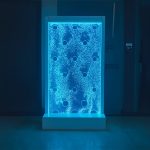
Yes. Fiber optic lights for sensory rooms are commonly used alongside products such as bubble tubes, sensory swings, tactile equipment, and other visual sensory tools to create a varied sensory environment.
4. Can fiber optic lights help children relax?
They may help some children feel more comfortable and relaxed by providing gentle and controlled visual stimulation. However, the response depends on the child’s individual sensory preferences.
5. Are fiber optic lights safe for children?
When used according to the manufacturer’s instructions and appropriate for the child’s age and abilities, fiber optic lights can be used as part of a sensory environment. Always follow product-specific safety guidelines and supervise children when required.
6. Can fiber optic lights be used at home?
Yes. They can be incorporated into a dedicated sensory corner or quiet space at home. Using adjustable lighting and keeping the environment comfortable can help create a more suitable sensory experience.