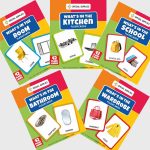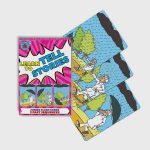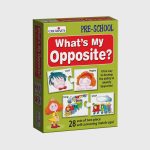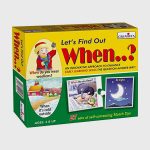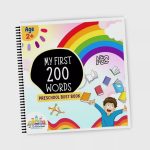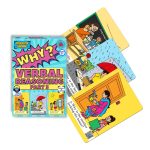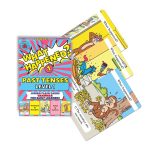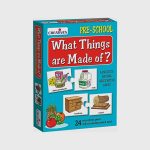
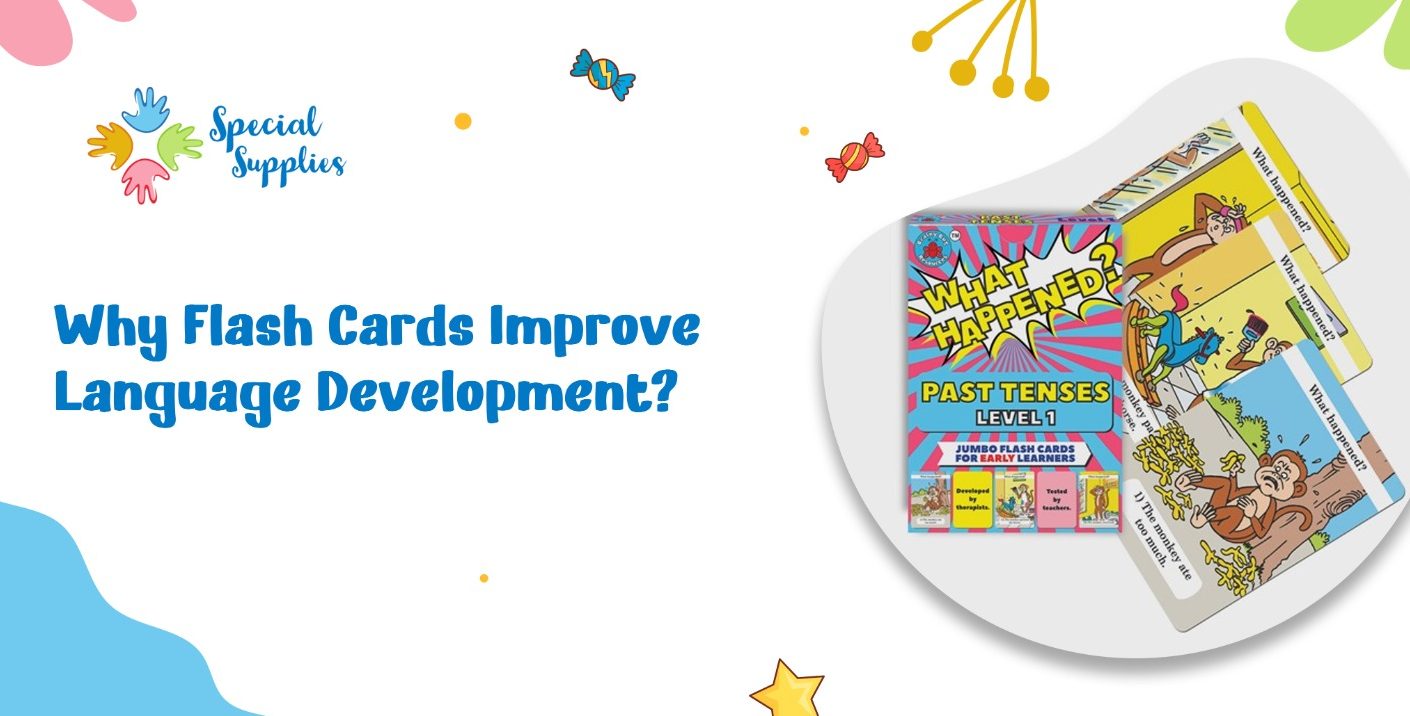
Language development is one of the most important milestones in a child’s early years, laying the foundation for communication, learning, and social interaction. One of the simplest yet most effective tools to support this journey is flash cards for language development. By combining colourful visuals with words, flash cards help children build vocabulary, improve word recognition, strengthen memory, and develop communication skills in an engaging and interactive way.
Whether used at home, in classrooms, or during therapy sessions, flash cards encourage active learning while making education fun and enjoyable. They are especially beneficial for young learners and children with autism, ADHD, or other developmental needs, as they provide structured and visual learning experiences that support speech and language growth.
In this blog, we’ll explore why flash cards are an essential learning tool, how they improve language development, and practical ways to use them effectively to help children build strong communication skills from an early age.
What Are Flash Cards and How Do They Work?
Flash cards are simple yet highly effective learning tools that combine images, words, numbers, or symbols to help children understand and remember new concepts. Each card typically features a picture, letter, word, or question on one side and the corresponding answer or information on the other. Their visual and interactive nature makes learning more engaging, helping children absorb information faster and retain it for longer periods.
Flash cards work by encouraging active recall and repetition—two proven learning techniques that strengthen memory and language development. As children repeatedly see, identify, and say the words or images on the cards, they gradually expand their vocabulary, improve pronunciation, and build stronger word recognition skills. The combination of visual cues and verbal interaction also helps children connect objects with their names, making it easier to understand and use language in everyday situations.
How Flash Cards Improve Language Development
Flash cards are one of the most effective educational tools for building language skills in children. By combining colourful visuals with words, they make learning interactive, engaging, and easy to understand. Regular use of flash cards helps children recognise new words, improve communication, and develop confidence in speaking and reading. Whether used at home, in classrooms, or during therapy sessions, flash cards support every stage of language development.
Expand Vocabulary
Flash cards introduce children to new words through clear pictures and simple text, making it easier for them to understand and remember their meanings. Repeated exposure helps children build a stronger vocabulary, allowing them to identify everyday objects, animals, colours, actions, and emotions with greater confidence.
Improve Pronunciation
As children read words aloud and repeat them after parents, teachers, or therapists, they gradually improve their pronunciation and speech clarity. Flash cards encourage verbal practice in a fun and pressure-free environment, helping children become more confident in expressing themselves.
Enhance Listening Skills
Flash card activities often involve listening to instructions, identifying pictures, or matching spoken words with visual cues. These interactive exercises improve children’s listening abilities, helping them understand spoken language more effectively and respond accurately during conversations.
Encourage Sentence Formation
Once children become familiar with individual words, flash cards can be used to create simple sentences and describe pictures. This helps them understand sentence structure, improve grammar, and develop the confidence to communicate their thoughts using complete sentences.
Develop Reading Readiness
Flash cards help children recognise letters, sounds, and common sight words, creating a strong foundation for reading. As they become familiar with words through repetition and visual association, they develop the skills needed for early literacy, making the transition to independent reading smoother and more enjoyable.
Key Benefits of Flash Cards for Children
Flash cards offer much more than just vocabulary building. They support a child’s overall development by improving memory, concentration, thinking abilities, and learning confidence. Their simple and interactive format keeps children actively involved, making learning enjoyable while reducing dependence on digital devices.
Better Memory & Recall
Flash cards use repetition and visual learning to strengthen memory. As children repeatedly identify pictures, words, and concepts, they are more likely to retain information and recall it quickly when needed. This active recall process helps improve long-term learning and academic performance.
Increased Focus & Attention
The bright visuals and short learning sessions associated with flash cards help children stay engaged without feeling overwhelmed. Regular practice improves attention span and encourages children to concentrate on one concept at a time, making learning more effective.
Stronger Cognitive Development
Using flash cards helps children develop essential cognitive skills such as observation, problem-solving, categorisation, and logical thinking. By recognising patterns, identifying similarities, and making connections between images and words, children strengthen their overall learning abilities.
Interactive & Screen-Free Learning
Unlike digital devices, flash cards for language development offer a hands-on, screen-free learning experience. They encourage interaction between children and parents, teachers, or therapists, making learning more engaging while supporting communication and social development.
Different Types of Flash Cards
Flash cards are designed to support different aspects of a child’s learning journey, from recognising letters and words to understanding emotions and developing early math skills. Each type of flash card focuses on a specific learning objective, making it easier for children to build knowledge step by step. By using a combination of different flash cards, parents, teachers, and therapists can create engaging learning experiences that support language development, cognitive growth, and overall communication skills.
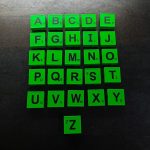
Alphabet Flash Cards
Alphabet flash cards help children recognise letters, learn their sounds, and understand basic phonics. Many sets also include pictures that begin with each letter, making it easier for children to connect letters with familiar words. These cards lay the foundation for reading, writing, and pronunciation while building confidence in early literacy.
Vocabulary Flash Cards
Vocabulary flash cards introduce children to new words related to everyday objects, animals, foods, colours, occupations, and more. The combination of words and pictures helps children understand meanings more quickly, expand their vocabulary, and improve their ability to communicate effectively in daily life.
Picture Flash Cards
Picture flash cards use colourful illustrations to teach children about the world around them. They improve visual recognition, memory, and word association by encouraging children to identify objects, name them, and describe what they see. These cards are especially useful for toddlers and children who learn best through visual cues.
Action & Emotion Flash Cards
Action and emotion flash cards help children recognise different actions, facial expressions, and feelings. They encourage children to express emotions, understand social situations, and build stronger communication skills. These cards are particularly beneficial for children with autism or speech and language delays who may need additional support in recognising and expressing emotions.
Number & Shape Flash Cards
Number and shape flash cards introduce early mathematical concepts in a simple and engaging way. They help children identify numbers, count objects, recognise shapes, and understand basic patterns. Regular practice with these cards strengthens logical thinking, problem-solving abilities, and school readiness while making learning enjoyable.
Tips for Using Flash Cards Effectively
Flash cards can deliver excellent results when used correctly and consistently. The goal is not to make children memorise information but to create an enjoyable learning experience that encourages curiosity, communication, and confidence. With the right approach, flash cards can become a valuable part of a child’s daily learning routine.
Keep Learning Sessions Short
Young children have shorter attention spans, so brief learning sessions are often more effective than long study periods. Aim for 10–15 minutes of focused practice each day to keep children interested and prevent them from feeling overwhelmed. Short sessions also make it easier to maintain a regular learning routine.
Use Repetition Consistently
Repetition is one of the most effective ways to reinforce learning. Revisiting previously learned flash cards while gradually introducing new ones helps children remember words, recognise images more quickly, and improve long-term retention. Consistent practice also builds confidence as children become familiar with the content.
Encourage Children to Speak
Instead of simply showing a flash card, encourage children to say the word aloud, answer simple questions, or describe what they see. This interactive approach improves vocabulary, pronunciation, sentence formation, and communication skills while giving children more opportunities to practise speaking naturally.
Make Learning Interactive
Learning becomes more enjoyable when flash cards are used as part of games and activities. Ask children to match related cards, group them into categories, identify missing cards, or create simple stories using multiple flash cards. These activities keep children engaged while strengthening memory, logical thinking, and language development.
Choose Age-Appropriate Flash Cards
Every child learns differently, so it’s important to select flash cards that match their age, interests, and developmental stage. Younger children may benefit from colourful picture cards, while older children can progress to vocabulary, action, emotion, or sentence-building flash cards that challenge their growing language skills.
Praise and Encourage Progress
Positive reinforcement plays an important role in a child’s learning journey. Celebrate small achievements by offering praise, encouragement, or simple rewards whenever children correctly identify words or complete an activity. Recognising their progress helps build confidence, motivates them to continue learning, and creates a positive attitude towards education.
Final Thoughts
Flash cards are a simple yet powerful learning tool that helps children develop vocabulary, communication, memory, and early reading skills engagingly. Whether used at home, in classrooms, or during therapy sessions, they encourage active learning while making education enjoyable. With consistent practice and the right learning approach, flash cards can build a strong foundation for language development and boost a child’s confidence in expressing themselves.
At Special Supplies, we offer a carefully curated collection of high-quality educational flash cards designed to support children at every stage of learning. From alphabet and vocabulary flash cards to picture, action, emotion, and number flash cards, our products are created to make learning interactive, effective, and fun. Explore our range today and give your child the tools they need to build strong language and communication skills with confidence.
Frequently Asked Questions (FAQs)
- At what age can children start using flash cards?
Children can start using flash cards as early as 6–12 months with simple picture cards. As they grow, you can introduce alphabet, vocabulary, numbers, shapes, and action flash cards based on their learning stage and abilities.
- How do flash cards improve language development?
Flash cards improve language development by helping children build vocabulary, recognise words, improve pronunciation, strengthen memory, and develop communication skills through visual learning and repetition.
- Are flash cards suitable for children with autism?
Yes. Flash cards are highly beneficial for children with autism as they provide structured, visual learning experiences that support language development, communication, emotional understanding, and social interaction.
- How often should children use flash cards?
For the best results, children should use flash cards for 10–15 minutes daily. Short, consistent learning sessions are more effective than long study periods and help improve memory and retention.
- What types of flash cards are best for language development?
Alphabet, vocabulary, picture, action & emotion, and sight word flash cards are among the best options for supporting language development. They help children learn new words, improve communication, and prepare for reading.