
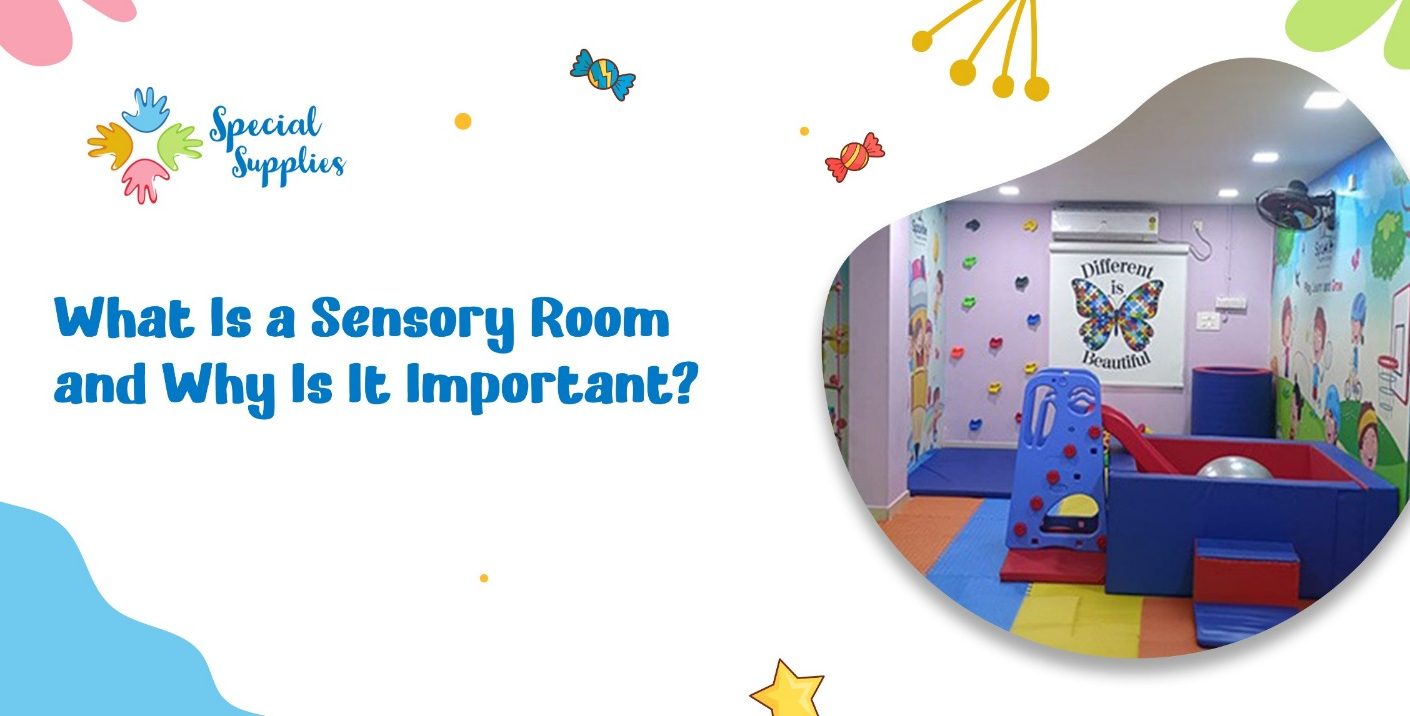
A sensory room is a specially designed space that provides a calming, engaging, and supportive environment for people with different sensory needs. It combines carefully selected sensory tools, lighting, sounds, textures, and interactive equipment to help users feel comfortable, improve focus, and regulate their emotions. Whether used at home, in schools, therapy centres, or healthcare facilities, a sensory room creates a safe space where individuals can explore their senses at their own pace.
A sensory room is particularly beneficial for children and adults with autism, ADHD, sensory processing differences, developmental delays, and other additional needs. However, its benefits are not limited to these groups. Many people use sensory rooms to reduce stress, improve concentration, encourage relaxation, and support learning and emotional well-being.
In this blog, we will explain what a sensory room is, why it is important, who can benefit from it, and the essential equipment needed to create an effective sensory space. Whether you are a parent, educator, therapist, or healthcare professional, this guide will help you understand how a sensory room can support development, independence, and overall quality of life.
What Is a Sensory Room?
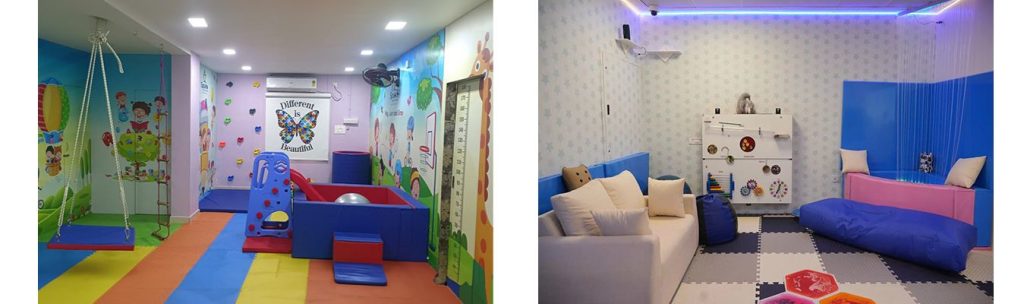
A sensory room is a specially designed space that provides a safe and comfortable environment where individuals can explore and regulate their senses. It uses a combination of sensory equipment such as calming lights, tactile panels, weighted products, soft seating, interactive activities, and soothing sounds to create experiences that support relaxation, focus, learning, and emotional well-being. A sensory room can be tailored to meet different sensory needs, making it suitable for both calming and stimulating activities.
Sensory rooms are commonly used in schools, therapy centres, healthcare facilities, and homes to support children and adults with autism, ADHD, sensory processing differences, developmental delays, and other additional needs. They also benefit anyone who needs a quiet space to reduce stress, improve concentration, or develop essential skills. By offering a controlled sensory environment, a sensory room encourages independence, communication, confidence, and positive everyday experiences.
Why Are Sensory Rooms Important?
A sensory room is important because it provides a safe and supportive environment where individuals can manage sensory input in a way that meets their unique needs. For people who experience sensory overload or have difficulty processing sensory information, these spaces help reduce anxiety, improve emotional regulation, and create a sense of comfort. They also encourage focus, communication, and participation in learning and daily activities.
Sensory rooms play a valuable role in supporting children and adults with autism, ADHD, sensory processing differences, developmental delays, and other additional needs. By using appropriate sensory equipment and activities, these spaces promote cognitive, social, and motor skill development while helping individuals build confidence and independence. Whether in schools, therapy centres, healthcare settings, or homes, a sensory room creates opportunities for meaningful learning, relaxation, and personal growth.
Key Benefits of a Sensory Room
Reduces Stress and Anxiety
A sensory room provides a calm and controlled environment where individuals can relax and feel secure. Features such as soft lighting, soothing sounds, and calming sensory tools help reduce stress, anxiety, and sensory overload.
Improves Focus and Concentration
By minimising distractions and offering appropriate sensory stimulation, a sensory room helps individuals stay focused during learning, therapy sessions, or everyday activities. This is especially beneficial for those who struggle with attention and concentration.
Supports Emotional Regulation
Sensory rooms give individuals a safe space to recognise and manage their emotions. Using sensory equipment can help them calm down, regulate their feelings, and respond more positively to challenging situations.
Encourages Communication and Social Skills
Interactive sensory activities promote communication, turn-taking, and social interaction. These experiences help individuals build confidence while developing meaningful relationships with others.
Develops Motor and Cognitive Skills
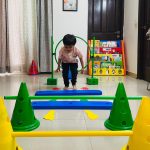
Many sensory room activities encourage movement, balance, coordination, and problem-solving. Regular use of sensory equipment supports both physical development and cognitive growth in an engaging way.
Promotes Independence and Confidence
A sensory room allows individuals to explore and respond to sensory experiences at their own pace. As they become more comfortable managing their sensory needs, they develop greater confidence and independence in daily life.
How Different Sensory Tools Support Development
Different sensory tools are designed to support specific developmental needs by providing controlled sensory experiences. They help individuals strengthen physical, cognitive, emotional, and social skills while creating an engaging and comfortable environment. Choosing the right sensory equipment ensures that each individual receives the support they need based on their unique sensory preferences and developmental goals.
Supports Sensory Processing
Sensory tools such as tactile panels, textured toys, and sensory bins help individuals process and respond to sensory information more effectively. Regular use can improve their ability to cope with different sights, sounds, textures, and movements in everyday life.
Improves Motor Skills and Coordination
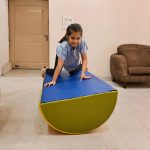
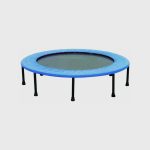
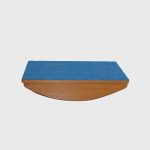
Equipment like sensory swings, balance boards, and therapy balls encourages movement, balance, and coordination. These activities help develop both fine and gross motor skills while improving body awareness and physical confidence.
Encourages Communication and Social Interaction
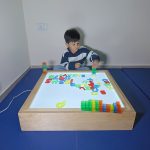
Interactive sensory tools, including light panels, sensory games, and collaborative activities, promote communication and teamwork. They encourage individuals to express themselves, share experiences, and build positive social relationships.
Enhances Focus and Learning
Visual, auditory, and tactile sensory tools create an engaging learning environment that improves attention and concentration. This makes it easier for individuals to participate in educational activities, therapy sessions, and skill-building exercises.
Supports Emotional Well-being
Calming tools such as weighted blankets, bubble tubes, soft seating, and soothing lights help reduce stress and anxiety. These sensory experiences encourage relaxation, emotional regulation, and a greater sense of security.
Common Mistakes to Avoid When Setting Up a Sensory Room
Creating a sensory room requires careful planning to ensure it meets the needs of its users. While choosing sensory equipment is important, the overall design, layout, and purpose of the space also play a key role. Avoiding common mistakes can help create a safe, comfortable, and effective sensory environment.
Including Too Much Equipment
Adding too many sensory tools can make the room feel cluttered and overwhelming. Choose equipment that matches the user’s needs and leave enough open space for comfortable movement.
Ignoring Individual Sensory Needs
Every individual responds to sensory input differently. A sensory room should be personalised with equipment and activities that support the user’s specific sensory preferences and developmental goals.
Overusing Bright Lights and Loud Sounds
Strong lighting and excessive noise can increase sensory overload instead of reducing it. Use adjustable lighting and calming sounds to create a balanced and relaxing environment.
Overlooking Safety
Safety should always be a priority when designing a sensory room. Ensure equipment is securely installed, use soft flooring where appropriate, and regularly inspect sensory tools to keep the space safe for everyone.
Not Updating the Room Regularly
Sensory needs can change over time, especially as children grow and develop. Review the room regularly and update equipment or activities to ensure the space continues to provide meaningful sensory experiences.
Choosing the Right Sensory Room Equipment
Choosing the right sensory room equipment is one of the most important steps in creating a space that supports learning, relaxation, and development. Since every individual has unique sensory needs, the equipment should be selected based on their age, abilities, and sensory preferences. A well-designed sensory room should include a balanced combination of visual, tactile, auditory, and movement-based tools that encourage sensory exploration without becoming overwhelming. It is equally important to invest in high-quality, durable, and safe products that can withstand regular use while providing a comfortable and secure experience.
At Special Supplies, we understand that every sensory space should be as unique as the individuals who use it. That’s why we design and manufacture a wide range of premium sensory room equipment, occupational therapy products, sensory tools, and inclusive learning solutions for schools, therapy centres, healthcare facilities, and homes. Our products are thoughtfully developed to support sensory processing, emotional regulation, motor skill development, and independent learning. Whether you are creating a new sensory room or upgrading an existing one, Special Supplies provides reliable, innovative, and high-quality solutions that help create engaging environments where individuals of all abilities can learn, grow, and thrive.
Final Thoughts
A sensory room is more than just a dedicated space with specialised equipment—it is an environment that helps individuals feel safe, supported, and empowered to reach their full potential. By providing the right sensory experiences, these spaces can improve focus, emotional regulation, communication, motor skills, and overall well-being for people of all ages and abilities.
Whether you are setting up a sensory room in a school, therapy centre, healthcare facility, or home, choosing high-quality equipment is essential to creating an effective and engaging environment. At Special Supplies, we are committed to providing innovative sensory room equipment, occupational therapy products, and inclusive learning solutions that help individuals learn, grow, and thrive. With the right planning and trusted sensory tools, you can create a space that makes a meaningful difference every day.
Frequently Asked Questions (FAQs)
1. What is a sensory room used for?
A sensory room is used to provide a safe and controlled environment where individuals can regulate their sensory input, reduce stress, improve focus, and support learning, therapy, and emotional well-being.
2. Who can benefit from a sensory room?
A sensory room can benefit children and adults with autism, ADHD, sensory processing differences, developmental delays, and other additional needs. It can also be used by anyone looking for a calm space to relax, improve concentration, or manage stress.
3. What equipment is commonly found in a sensory room?
Common sensory room equipment includes bubble tubes, fibre optic lights, weighted blankets, sensory swings, tactile panels, crash mats, soft seating, interactive wall panels, sensory toys, and calming lighting.
4. Where can a sensory room be installed?
Sensory rooms can be installed in schools, therapy centres, hospitals, clinics, community centres, workplaces, and homes. They can be customised to suit the available space and the needs of the users.
5. How do I choose the right sensory room equipment?
The right sensory room equipment depends on the user’s age, sensory preferences, developmental goals, and the purpose of the space. Choosing high-quality, safe, and durable products ensures a more effective and long-lasting sensory environment.
6. Why choose Special Supplies for sensory room equipment?
Special Supplies designs and manufactures high-quality sensory room equipment, occupational therapy products, and inclusive learning solutions that support individuals of all abilities. Our products are designed to create safe, engaging, and effective sensory spaces for schools, therapy centres, healthcare facilities, and homes.


































57 Comments