Children use their mouths for much more than eating and speaking. The lips, tongue, cheeks and jaw work together for important everyday activities such as chewing food, swallowing, making sounds and forming words. When these muscles need additional support, oral motor activities can help children develop better awareness, strength, coordination and control.
Parents may notice signs such as difficulty chewing, drooling, unclear speech, trouble moving the tongue in different directions or avoiding certain food textures. These signs do not always mean that a child has an oral motor difficulty, but they can be worth discussing with a speech therapist or other qualified professional.
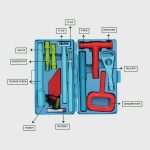
With appropriate guidance, simple activities and specialised tools can become part of a child’s therapy routine. A speech kit for oral sensory therapy can also provide structured resources that therapists and parents can use to support oral sensory exploration and skill development.
What Are Oral Motor Skills?
Oral motor skills refer to the movement and coordination of the muscles inside and around the mouth. These include the lips, tongue, cheeks, jaw and related muscles.
Children use these muscles when they:
- Suck and drink
- Chew food
- Move food around the mouth
- Swallow
- Blow
- Make different sounds
- Pronounce words clearly
- Control saliva
Good oral motor coordination allows these movements to work together efficiently. Some children may need additional practice to develop awareness or coordination of these movements.
Why Are Oral Motor Activities Important?
Oral motor activities can give children opportunities to explore and practise different movements in a structured way.
Depending on the child’s individual needs, activities may help develop:
Oral Awareness
Some children may have limited awareness of what their tongue, lips or cheeks are doing. Appropriate oral sensory activities can help them become more aware of these movements.
Lip Control
The lips play an important role in drinking, eating and speech. Activities involving lip closure and movement can help children practise using these muscles.
Tongue Movement
The tongue needs to move in different directions for chewing and speech. Guided activities can encourage children to become more aware of tongue movement.
Jaw Stability
The jaw provides an important foundation for chewing and other oral movements. Activities that involve controlled jaw movement may be recommended by a therapist when appropriate.
Oral Sensory Exploration
Children experience different sensations through their mouths. Temperature, texture, pressure and movement can all provide sensory information.
For children who need additional oral sensory input, a speech kit for oral sensory therapy can provide specialised tools that can be incorporated into therapist-guided activities.
Oral Motor Activities for Children
The right activity depends on the child’s age, abilities and specific needs. Parents should follow the guidance of a qualified speech therapist, particularly when an activity involves food or objects placed in or around the mouth.
1. Blowing Activities
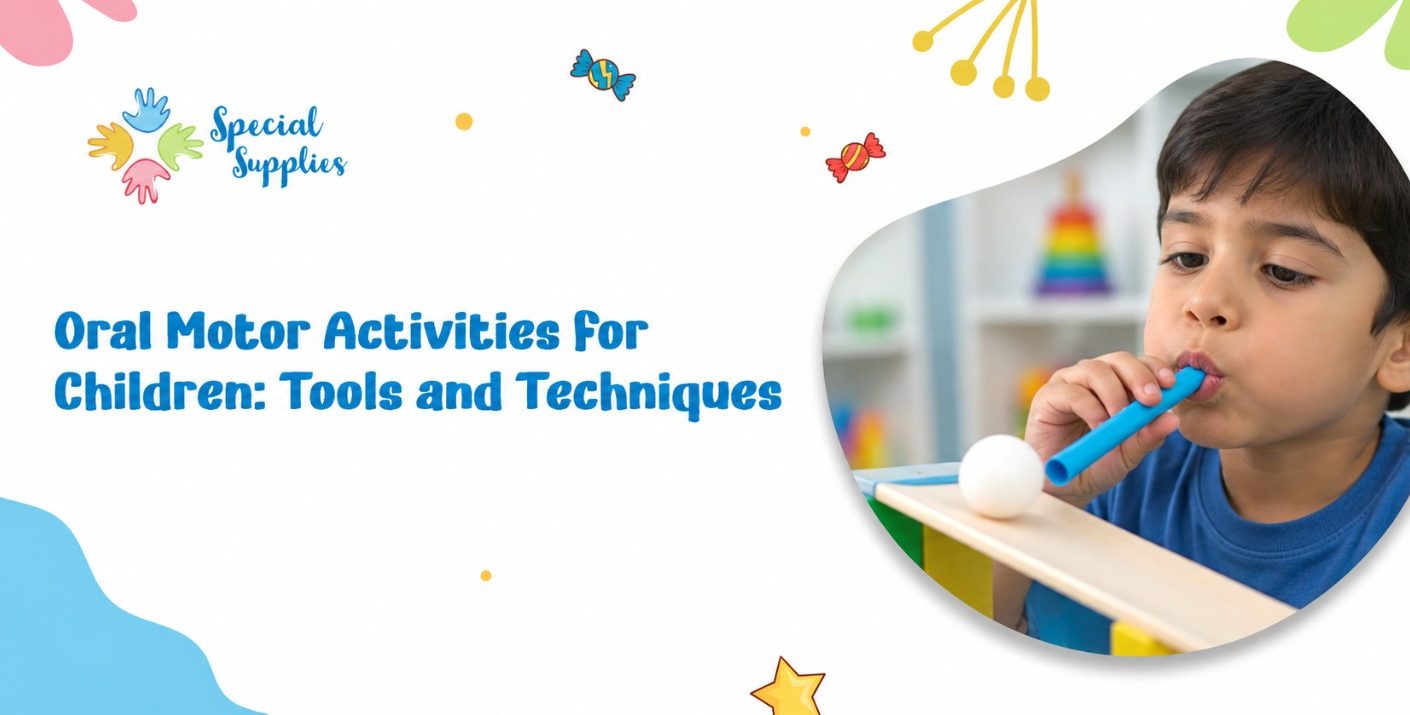
Blowing can be used as a playful way to practise controlled airflow.
Children can try blowing:
- Bubbles
- Lightweight objects
- Paper strips
- Pinwheels
These activities can make therapy more engaging while encouraging children to practise controlled blowing.
It is important to remember that blowing activities are not automatically suitable for every speech or oral motor concern. A therapist can determine whether they are appropriate for a particular child.
2. Lip Movement Games
Make simple facial expressions together, such as smiling, puckering the lips or opening and closing the mouth.
Turning these movements into a game can make practice feel less like an exercise and more like play.
3. Tongue Movement Activities
With professional guidance, children may practise moving their tongue in different directions.
For example, they may be encouraged to move the tongue from side to side or towards different areas of the mouth.
These activities should be comfortable and age-appropriate. Parents should never force a child’s tongue or mouth into a particular position.
4. Chewing Practice
For children who are developmentally ready for solid foods, chewing different appropriate food textures can provide opportunities to practise oral skills.
However, food based activities need particular care because every child has different chewing and swallowing abilities. If a child has difficulty swallowing, frequently coughs while eating or has a history of choking, parents should seek professional advice rather than introducing new textures independently.
5. Straw Drinking
For some children, drinking through an appropriate straw can provide an opportunity to practise lip control and oral coordination.
A speech therapist can advise whether straw drinking is suitable and which type of straw or cup is appropriate for the child.
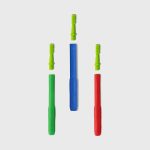
6. Oral Sensory Tool Activities
Some children benefit from specialised tools that provide different types of oral sensory input. These tools can be used as part of a structured therapy programme rather than as a replacement for professional assessment.
A speech kit for oral sensory therapy can bring together different resources that support guided oral sensory activities, making it easier for therapists and caregivers to introduce suitable exercises.
Choosing the Right Oral Motor Tools
Not every oral motor tool is suitable for every child. The choice should depend on the child’s developmental stage, sensory needs, oral motor abilities and therapy goals.
When choosing tools, parents should consider:
Safety
Tools used around the mouth should be made from appropriate, child safe materials and should be used according to the manufacturer’s instructions.
Age Appropriateness
A tool designed for one developmental stage may not be suitable for another. Always check the recommended age and usage instructions.
Individual Needs
A child who seeks oral sensory input may need different support from a child who is sensitive to touch around the mouth.
Professional Guidance
A speech-language therapist or occupational therapist can help determine which activities and tools are appropriate for a child’s specific needs.
How Special Supplies Supports Oral Sensory Development
Finding suitable therapy resources can sometimes be difficult for parents and therapists, particularly when they need tools for specific developmental goals.
Special Supplies offers sensory toys, therapy equipment and educational resources designed to support children’s learning and development. Its range includes resources that can be incorporated into structured therapy and sensory activities.
For children who benefit from oral sensory support, a speech kit for oral sensory therapy can provide useful resources for guided activities. These tools can help therapists create more engaging sessions and give caregivers suitable resources to continue recommended activities at home.
The important point is that therapy tools work best when they are selected according to a child’s individual needs. They should complement professional guidance rather than replace assessment or therapy.
When Should Parents Consult a Speech Therapist?
Parents may consider seeking professional guidance if they regularly notice:
- Difficulty chewing or managing food
- Frequent coughing or choking while eating
- Excessive drooling
- Difficulty moving the tongue
- Trouble closing the lips
- Limited tolerance of different food textures
- Persistent difficulties with certain speech sounds
- Concerns about overall speech or communication development
These signs can have different causes, so it is important not to diagnose an oral motor problem based on one behaviour alone.
A speech language therapist can assess the child’s communication and oral motor abilities and determine whether specific exercises or therapy are appropriate.
Making Oral Motor Practice Fun
Children are generally more willing to participate when activities feel like play rather than a lesson.
Parents can use games, songs, imitation and age-appropriate sensory activities to make practice enjoyable. Short activities may also be easier for children than long sessions.
Most importantly, follow the child’s comfort level. Oral activities should never be forced, particularly when a child shows fear, discomfort or distress.
Final Thoughts
Oral motor development can influence important parts of childhood, from eating and drinking to speech and communication. When a child experiences difficulties in these areas, understanding the possible signs and seeking appropriate professional guidance can be an important first step.
Simple, engaging activities and carefully selected therapy tools can support a child’s development when they are used appropriately. Resources such as a speech kit for oral sensory therapy can give therapists and parents practical tools for incorporating oral sensory activities into a child’s learning and therapy routine.
With the right combination of professional support, appropriate activities and patience, children can be encouraged to build greater confidence and awareness in their everyday oral motor skills.