A well-designed sensory room can give children a safe and comfortable place to relax, explore, move, and take a break from a busy school environment. For some children, classrooms can feel overwhelming because of noise, bright lights, movement, or other forms of sensory input. A sensory room gives them a space where they can feel more comfortable and in control.
The right Sensory Room Equipment can make this space more useful and engaging. From sensory lights and bubble tubes to tactile toys, movement equipment, and calming resources, schools can choose different products based on the needs of the children who will use the room.
In this guide, we will look at the essential sensory room equipment for schools and how each type of equipment can support children.
What Is a Sensory Room in a School?
A sensory room is a specially designed space where children can experience different sights, sounds, textures, and movements in a safe environment. The room can be used for sensory activities, quiet breaks, relaxation, or simple movement activities.
A school sensory room can be especially helpful for children with autism and other additional needs. However, it does not have to be used only by children with a specific condition. Any child who needs a quiet space or a short break from a busy classroom may benefit from it.
Schools can use different sensory room products to create an environment that matches the needs of their students.
Essential Sensory Room Equipment for Schools
Sensory Lighting and Visual Equipment
Sensory Light Tables:- Sensory light tables allow children to explore colours, shapes, and objects through light. They can make activities more interesting while encouraging children to look, touch, and explore.
Fibre Optic Lights:- Fibre optic lights create a gentle and colourful visual experience. Children can touch and move the strands while watching the changing lights, making them a useful option for calming and sensory activities.
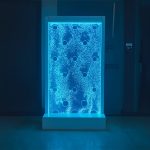
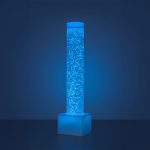
Bubble Tubes:- Bubble tubes combine moving bubbles, lights, and gentle sounds. They can become a calming part of a sensory room and give children something interesting to watch and interact with.
Projectors and Visual Effects:- Projectors can display colours, patterns, and moving images on walls or ceilings. Schools can use them to create different visual experiences depending on the activity or the child’s preference.
Tactile Sensory Equipment
Textured Sensory Toys: Textured sensory toys give children different surfaces and materials to touch, squeeze, hold, and explore. They can help children become familiar with different types of touch in a simple and enjoyable way.
Sensory Tiles: Sensory tiles come with different textures that children can touch or walk across. They can be used for simple sensory activities and can also support movement and body awareness.
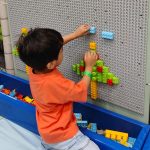
Tactile Panels: Tactile panels include different textures, shapes, and interactive parts. Children can use their hands to explore each section, making these panels useful for touch-based activities.
Fidget and Manipulation Tools: Fidget tools give children something to hold, squeeze, twist, or move. They can be useful during sensory breaks and may help some children stay focused or feel more settled.
Vestibular and Movement Equipment
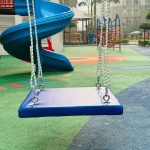
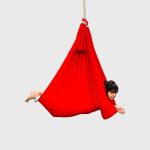
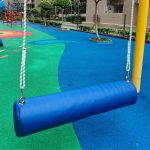
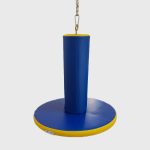
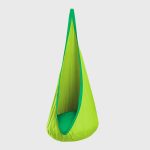
Sensory Swings: Sensory swings provide gentle movement that can help children experience controlled motion. They can be used for relaxation, movement breaks, or sensory activities when used safely and correctly.
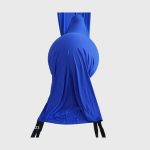
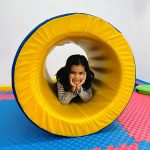
Lycra Sensory Tunnels: Lycra sensory tunnels give children a fun space to crawl, stretch, and move. The gentle pressure from the material can also provide useful body input during sensory play.
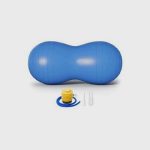
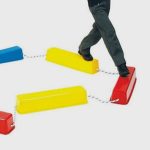
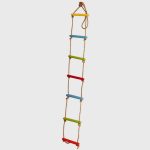
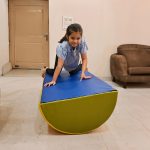
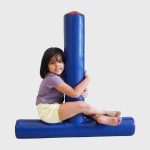
Balance Equipment: Balance equipment encourages children to move their bodies while working on balance and coordination. It can make physical activities more engaging and add variety to the sensory room.
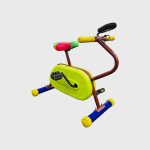
Kids’ Exercise and Movement Equipment: Simple exercise and movement equipment can give children an opportunity to stretch, step, move, and use their energy in a safe way. These activities can also support body control and coordination.
Proprioceptive and Heavy-Work Equipment
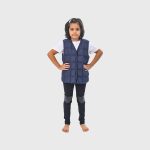
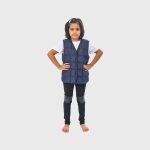
Weighted Jackets: Weighted jackets can provide gentle pressure that some children may find calming. They should only be used when suitable for the individual child and according to proper guidance.
Resistance Equipment: Resistance equipment allows children to push, pull, or stretch against resistance. These activities can provide body input and support movement and body awareness.
Crash Mats: Crash mats provide a soft surface for activities such as jumping, rolling, and stretching. They can make movement-based sensory activities safer and more comfortable.
Push and Pull Activities: Push and pull activities involve the use of large muscles and can provide useful heavy-work activities. Simple tasks can help children use their energy in a structured way.
Auditory Sensory Equipment
Sound and Music Equipment: Sound and music equipment can be used to create a relaxing or engaging atmosphere. Schools can use gentle music, nature sounds, or other suitable audio depending on the child’s needs.
Noise-Reducing Headphones: Noise-reducing headphones can help children who find loud or busy environments difficult to manage. They can be useful when a child needs some quiet time within the sensory room.
Calming Audio Resources: Calming audio such as soft music or nature sounds can help create a peaceful environment. These resources can be used along with other **Sensory Room Equipment** during quiet or relaxation activities.
Benefits of Sensory Rooms in Schools
A sensory room can offer several benefits when it is planned around the needs of the children.
Supports Emotional Regulation
Children can use a sensory room when they feel overwhelmed, upset, or overstimulated. A calm space with suitable sensory activities can give them time to settle before returning to the classroom.
Helps Improve Focus and Attention
A short sensory break can help some children step away from classroom distractions and prepare to return to their learning. Suitable sensory equipment for schools can make these breaks more structured.
Encourages Sensory Exploration
Sensory rooms give children opportunities to explore light, sound, texture, and movement. These activities can encourage curiosity and help children understand which types of sensory input they enjoy or prefer.
Supports Children with Autism and Additional Needs
Children with autism and other additional needs may respond differently to sounds, lights, touch, and movement. A sensory room can give them a more controlled environment where they can take breaks and engage in activities that suit their needs.
How to Choose the Right Sensory Room Equipment for a School
Choosing Sensory Room Equipment should always start with the needs of the children who will use the room.
Consider Age and Developmental Needs
Choose equipment that is suitable for the children’s age, abilities, and level of development. Products that work well for younger children may not be suitable for older students.
Check Safety and Durability
Safety should always be a priority. Choose strong, child-friendly products and follow the manufacturer’s instructions for installation and use, especially for swings and other movement equipment.
Consider Available Room Space
Measure the room before choosing larger equipment. Children should have enough space to move safely between different areas without the room feeling crowded.
Think About Different Sensory Needs
Every child is different. Some may enjoy movement, while others may prefer soft lighting or tactile activities. A mix of sensory room products can help schools create a more flexible space.
Look at Cleaning and Maintenance
Sensory equipment used by several children should be easy to clean and maintain. Regular cleaning can help keep the room safe and hygienic for everyday use.
Final Thought
A sensory room can be a valuable part of a supportive school environment. With carefully selected Sensory Room Equipment, schools can create a space where children can relax, move, explore, and take a break when they need one.
The most important thing is to choose equipment based on the children who will use the room rather than simply filling the space with products. Special Supplies offers a range of sensory products that can help schools create engaging and supportive sensory spaces for children with different needs.
Frequently Asked Questions
- What equipment is needed for a school sensory room?
A school sensory room can include sensory lights, bubble tubes, fibre optic lights, tactile toys, sensory tiles, swings, movement equipment, crash mats, headphones, and calming audio resources. The right **Sensory Room Equipment** depends on the needs of the children.
- What is the best sensory equipment for autism?
There is no single best product for every child with autism. Sensory lights, tactile toys, movement equipment, calming resources, and other sensory equipment for autism can be considered based on the child’s individual needs.
- How does a sensory room help children in schools?
A sensory room gives children a safe place to take a break, relax, move, explore different sensory experiences, and prepare to return to classroom activities.
- Are sensory rooms only for children with autism?
No. Sensory rooms can support children with autism and additional needs, but they can also be useful for children who need a quiet space, a movement break, or time away from a busy classroom.
- What should schools consider before buying sensory room products?
Schools should consider the children’s age, individual sensory needs, room size, safety, product quality, durability, and ease of cleaning before choosing sensory room products.