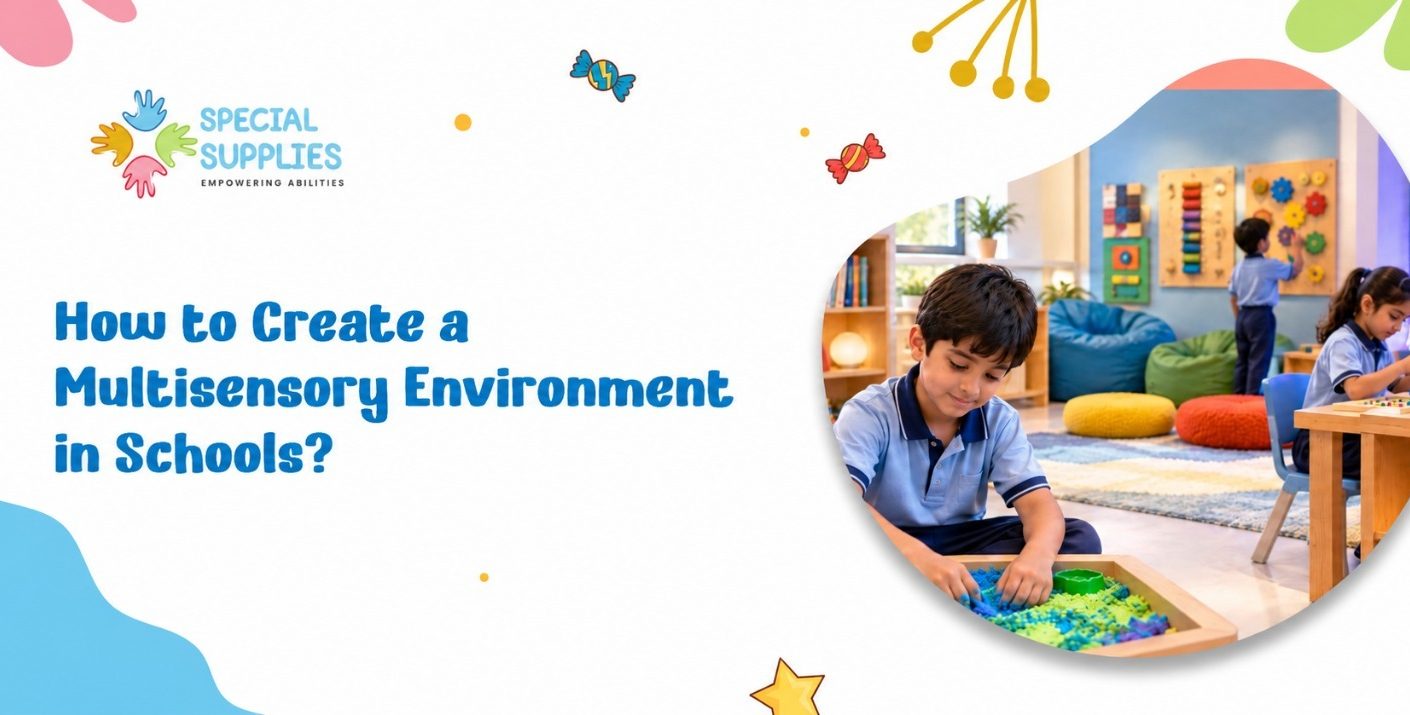
Every student learns differently. While some children learn best by listening or reading, others understand concepts better when they can see, touch, move, and interact with their surroundings. This is where a multisensory environment in schools can make a meaningful difference.
A multisensory environment gives students opportunities to engage with different senses through carefully designed lighting, sounds, textures, movement, and interactive activities. It can create a more engaging and supportive space where children can explore, focus, relax, and participate in learning at their own pace.
For schools, creating such an environment is not simply about adding sensory equipment to a room. It involves understanding students’ individual needs and choosing the right combination of sensory tools and activities to support learning, engagement, and comfort. In this guide, we will explore how schools can create an effective multise
What Is a Multisensory Environment in Schools?
A multisensory environment in schools is a specially designed space where students can engage with different senses through light, sound, touch, movement, and visual stimulation. It provides interactive experiences that can make learning more engaging while giving children different ways to explore, focus, relax, and participate according to their individual needs.
Such an environment may include sensory lights, bubble tubes, fibre optic lights, tactile materials, textured surfaces, movement equipment, and interactive sensory tools. These spaces can be especially useful in special education, therapy areas, and inclusive schools, but they can also support varied learning experiences in mainstream classrooms. The goal is to create a safe, accessible, and adaptable space that responds to students’ sensory and learning needs.
Benefits of a Multisensory Environment for Students
A well-planned multisensory environment in schools can support students in different ways by giving them opportunities to learn and interact through multiple senses. Some key benefits include:
Improves Focus and Attention
Sensory activities can provide students with structured ways to engage with their surroundings, which may help them stay focused and participate more actively in learning activities.
Supports Sensory Processing
Different textures, sounds, lights, and movement-based activities can give students opportunities to experience and respond to sensory input in a controlled environment.
Encourages Learning and Engagement
Interactive sensory tools can make learning more hands-on and interesting. Students can explore concepts through touch, movement, visual experiences, and other forms of sensory interaction.
Helps Reduce Stress and Anxiety
A calm sensory space can give students a comfortable environment where they can take a break from overwhelming classroom stimuli and engage in relaxing sensory activities.
Supports Inclusive Education
Every student has different learning preferences and sensory needs. A multisensory environment can give schools additional ways to support participation and create a more inclusive learning experience for a wider range of students.
Key Elements of a Multisensory Environment
A well-designed multisensory environment in schools combines different types of sensory experiences to create an engaging and supportive space. The main elements include:
Visual Stimulation
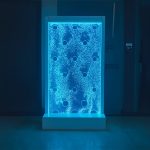
Visual elements such as sensory lights, fibre optic lights, bubble tubes, colour-changing lights, and visual projectors can create engaging experiences and encourage students to observe and interact with their surroundings.
Auditory Stimulation
Sounds and music can be used to introduce different auditory experiences. Soft music, calming sounds, musical instruments, and interactive sound-based activities can be included based on the purpose of the space and students’ preferences.
Tactile Experiences
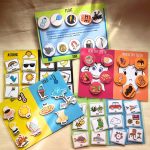
Tactile activities allow students to explore different textures, shapes, and materials through touch. Sensory mats, textured objects, tactile panels, and hands-on sensory tools can make the environment more interactive.
Movement and Vestibular Activities
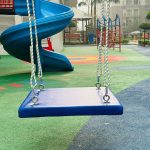
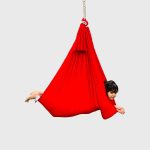
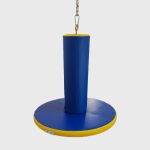
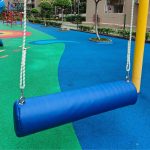
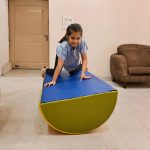
Movement-based activities can give students opportunities to develop balance, coordination, and body awareness. Equipment such as swings, balance tools, tunnels, and other movement-based resources can be incorporated into the sensory space.
Proprioceptive Activities
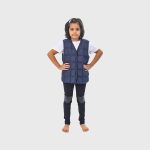
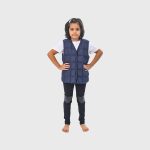
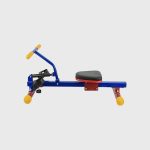
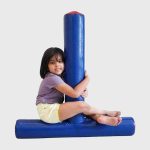
Proprioceptive activities involve resistance, pressure, and body movement. Tools such as weighted equipment, resistance activities, pushing or pulling exercises, and other structured movement activities can provide opportunities for students to understand and control their body movements.
How to Create a Multisensory Environment in Schools
Creating a multisensory environment in schools requires more than simply adding sensory equipment to a room. Schools should consider students’ individual needs, the available space, and the purpose of the sensory environment before selecting activities and equipment.
Identify Students’ Sensory Needs
Start by understanding how students respond to different types of sensory input. Observing their preferences and working with teachers, therapists, and other professionals can help schools identify suitable sensory activities and equipment.
Choose the Right Sensory Space
Select a space that is quiet, accessible, and large enough for students to move comfortably. The area should also allow the school to organise different sensory activities without making the environment feel crowded or overwhelming.
Select Appropriate Sensory Room Equipment
Choose sensory room equipment for schools according to students’ needs and the purpose of the space. Items such as bubble tubes, fibre optic lights, sensory mats, tactile tools, and movement equipment can be included where appropriate.
Create Different Sensory Zones
Dividing the room into different zones can make the space easier to use. For example, one area can focus on visual stimulation, another on tactile activities, and another on movement or calming activities.
Add Sensory-Friendly Lighting
Lighting can significantly influence the atmosphere of a sensory space. Soft, adjustable, and interactive lighting options can be used to create different visual experiences while avoiding unnecessarily harsh or distracting lights.
Introduce Tactile and Interactive Tools
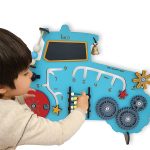
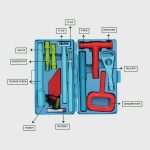
Include tools that allow students to touch, explore, and interact with different materials. Tactile panels, textured objects, sensory toys, and interactive resources can provide hands-on experiences and encourage exploration.
Include Movement-Based Equipment
Movement-based equipment can add an active component to the sensory environment. Depending on the available space and students’ needs, schools can consider balance equipment, tunnels, swings, or other suitable movement resources.
Make the Environment Safe and Accessible
Safety should remain a priority when setting up a sensory space. Equipment should be age-appropriate, properly installed, easy to maintain, and arranged so students and staff can move around safely. The environment should also be accessible and adaptable to accommodate different students and activities.
Final Thoughts
Creating a multisensory environment in schools is about giving students more ways to learn, explore, and feel comfortable in their surroundings. With the right combination of sensory equipment, thoughtful planning, and a safe environment, schools can create spaces that support different learning and sensory needs.
A multisensory space does not need to be complicated or overwhelming. Schools can choose suitable resources based on their students and available space, from sensory lighting and tactile tools to movement-based and interactive equipment. Special Supplies offers a range of sensory and therapy products that can help schools plan and equip these spaces according to their requirements, making it easier to create purposeful, inclusive, and engaging sensory environments for students.
Frequently Asked Questions
What is a multisensory environment in schools?
A multisensory environment in schools is a specially designed space where students can engage with different senses through visual, auditory, tactile, and movement-based activities. It can support varied learning and sensory needs in a structured environment.
What are the benefits of a multisensory environment for students?
A multisensory environment can help encourage focus, sensory exploration, learning engagement, and relaxation. It can also provide students with different ways to interact with their surroundings.
What equipment is needed for a school sensory room?
Depending on the purpose of the space, schools can use sensory lights, bubble tubes, fibre optic lights, tactile equipment, sensory mats, interactive tools, and suitable movement-based equipment.
How can schools create a sensory-friendly classroom?
Schools can create a sensory-friendly classroom by providing suitable lighting, reducing unnecessary distractions, creating quiet areas, and introducing age-appropriate sensory tools and activities based on students’ needs.
Who can benefit from a multisensory environment?
Students with different sensory preferences and learning needs can benefit from multisensory environments. These spaces can be particularly useful in special education, therapy settings, and inclusive schools.
Where can schools find sensory equipment?
Schools can explore different sensory and therapy products based on their requirements, available space, and student needs. Special Supplies offers a range of sensory products and equipment suitable for creating engaging sensory spaces in educational settings.