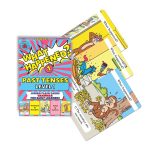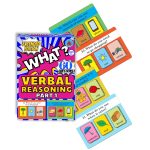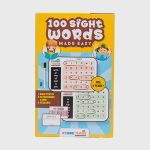
Occupational therapy helps children build the skills they need for everyday activities, learning and greater independence. Depending on a child’s needs, therapy may focus on movement, balance, coordination, fine motor skills, sensory processing or hand-eye coordination.
For schools and therapy centres, having the right equipment can make these sessions more engaging and structured. However, choosing equipment can sometimes be difficult, especially when there are many options available.
This checklist covers some of the Best Occupational Therapy Equipment that schools and therapy centres can consider when creating a useful and child-friendly therapy environment.
Why Is Occupational Therapy Equipment Important?
Children learn and develop skills in different ways. Some may need more practice with hand movements, while others may benefit from activities that involve balance, movement or sensory exploration.
Occupational therapy equipment gives therapists practical ways to work on these skills through activities rather than relying only on verbal instructions.
The right equipment can help children practise:
- Fine motor skills
- Gross motor skills
- Balance and coordination
- Hand eye coordination
- Grip and hand strength
- Body awareness
- Sensory processing
- Attention and participation
- Everyday functional skills
The equipment should always be selected according to the child’s age, abilities and therapy goals.
Occupational Therapy Equipment Checklist
1. Fine Motor Skill Equipment
Fine motor skills involve the small movements of the hands and fingers. These skills are important for activities such as writing, drawing, buttoning clothes and using everyday objects.
Useful equipment can include:
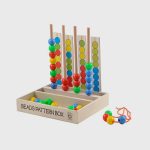
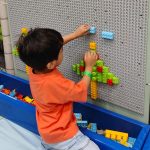
- Peg boards
- Threading and lacing activities
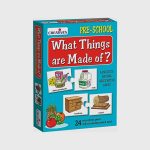
- Fine motor puzzles
- Tweezers and sorting activities
- Building blocks
- Hand strengthening tools
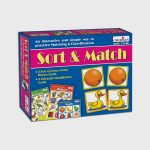
- Shape and matching activities
These resources allow children to practise finger control, grasp, precision and coordination in an interactive way.
2. Gross Motor Equipment
Gross motor activities involve larger movements of the body. They can help children develop strength, balance, coordination and body control.
Schools and therapy centres may consider:
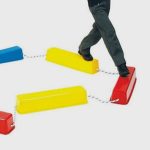
- Balance beams
- Stepping stones
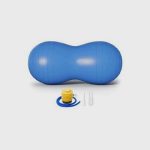
- Therapy balls
- Cones
- Hurdles
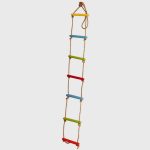
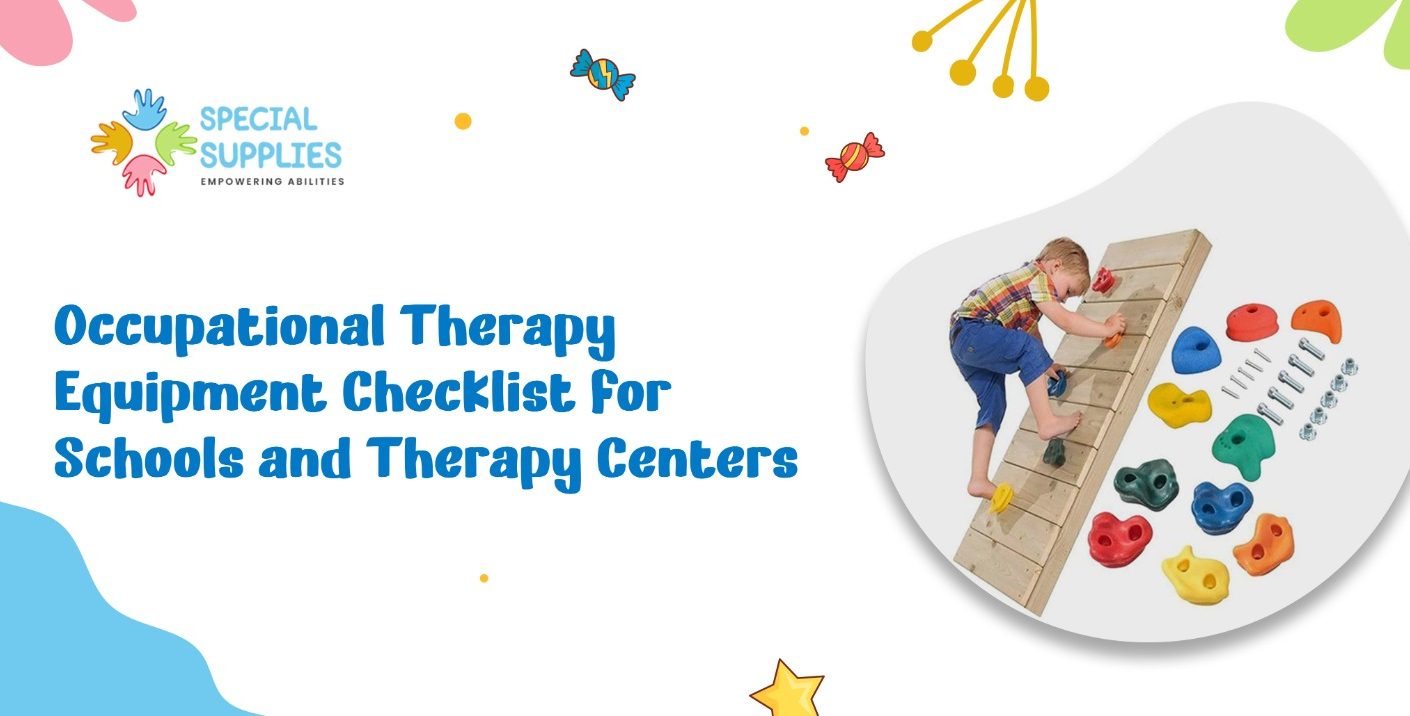
- Climbing and movement equipment
- Floor markers
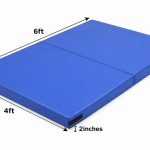
- Activity mats
These activities can be adapted for different ability levels and used as part of structured movement sessions.
3. Balance and Coordination Equipment
Balance and coordination are important for both physical activities and everyday tasks. Children can benefit from activities that require them to control their body while standing, walking, reaching or moving.
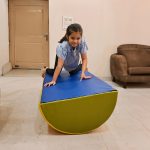
Equipment such as balance boards, wobble boards, stepping stones and coordination activities can provide opportunities to practise these skills.
Simple obstacle courses can also combine several activities in one session.
4. Sensory Integration Equipment
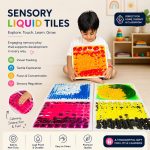
Some children may need support with processing and responding to sensory information. Sensory based activities can provide controlled opportunities to explore touch, movement, sound and visual input.
Depending on individual needs, equipment may include:
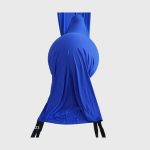
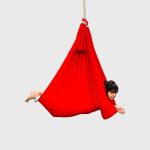
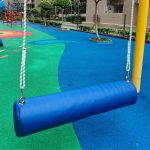
- Sensory swings
- Tactile toys
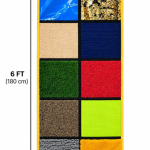
- Textured surfaces
- Sensory balls
- Fidget tools
- Sensory lighting
- Weighted resources recommended by a professional
- Movement-based sensory equipment
Sensory equipment should not be selected simply because it is popular. It should have a clear purpose and be appropriate for the child using it.
5. Hand Strength and Grip Equipment
Hand strength plays an important role in many everyday activities. It can also support tasks such as holding a pencil, opening containers and using classroom materials.
Therapy centres can include:
- Therapy putty
- Hand exercisers
- Grip strengthening tools
- Peg activities
- Squeeze toys
- Resistance-based hand activities
These activities can be introduced gradually according to the child’s ability and therapy goals.
6. Visual Motor and Hand Eye Coordination Tools
Visual motor skills involve using what the eyes see to guide hand movements. Children use these skills when copying shapes, completing puzzles, catching a ball or writing.
Useful resources include:
- Puzzles
- Tracing boards
- Peg activities
- Target games
- Matching activities
- Construction toys
- Drawing and pattern activities
These tools can turn skill practice into simple and enjoyable activities.
7. Therapy Balls and Movement Tools
Therapy balls can be used for a variety of movement and coordination activities. They can support exercises involving balance, posture, core strength and controlled movement.
Other movement tools can also be included depending on the available space and the therapist’s approach.
For schools, it is important to choose equipment that can be safely stored and used in a supervised environment.
8. Activities for Coordination and Motor Planning
Motor planning is the ability to understand, organise and carry out a physical movement.
Children can practise motor planning through activities such as:
- Simple obstacle courses
- Throwing and catching
- Following movement patterns
- Balancing activities
- Step based activities
- Building and construction tasks
These activities can be made easier or more challenging depending on the child’s progress.
9. Adaptive and Functional Skill Resources
Occupational therapy is also connected to everyday independence. Children may need support with skills such as dressing, feeding, classroom tasks and organising their belongings.
Schools and therapy centres can consider resources that allow children to practise:
- Buttoning and zipping
- Using utensils
- Opening and closing containers
- Tying laces
- Sorting everyday objects
- Basic classroom tasks
These activities connect therapy with real life and can help children practise skills they use outside the therapy room.
How to Choose the Best Occupational Therapy Equipment
Having more equipment does not necessarily mean having a better therapy setup. The focus should be on choosing resources that are useful, safe and relevant to the children using them.
Before purchasing equipment, consider:
Age and Ability
Choose equipment that matches the age, physical abilities and developmental level of the children.
Therapy Goals
Think about what skills the equipment is intended to support. A fine motor tool may be useful for one child but may not be suitable for another child’s goals.
Safety
Check the quality, stability, materials and recommended age range of each product. Equipment involving movement should always be used with appropriate supervision.
Space
Consider how much room is available. Large movement equipment may be useful in a therapy centre but difficult to manage in a small school room.
Easy Maintenance
Schools and therapy centres often have equipment that is used by many children. Products that are easy to clean, store and maintain can be more practical for regular use.
Creating a Balanced Therapy Environment
A good occupational therapy space does not need to be filled with equipment. It should offer a balanced mix of activities that support different areas of development.
For example, a therapy centre could have one area for fine motor activities, another for movement and balance, and a separate space for sensory or calming activities.
This makes it easier for therapists to structure sessions and adapt activities according to each child’s needs.
Final Thoughts
The Best Occupational Therapy Equipment is not necessarily the most expensive or the most advanced. It is equipment that has a clear purpose and helps children practise meaningful skills in a safe and engaging way.
Schools and therapy centres can start with essential resources for fine motor skills, gross motor development, balance, coordination and sensory exploration. As the needs of the children become clearer, additional equipment can be added.
With the right combination of tools, professional guidance and structured activities, an occupational therapy space can become a supportive environment where children can learn, practise and build greater independence.
Frequently Asked Questions
What equipment is commonly used in occupational therapy?
Common equipment includes fine motor tools, therapy balls, balance equipment, sensory resources, hand strengthening tools, puzzles and coordination activities.
How do I choose the best occupational therapy equipment for a school?
Start by identifying the needs of the children and the skills therapists want to work on. Then consider age, safety, available space, durability and ease of use.
Is occupational therapy equipment only for therapy centres?
No. Schools can also use appropriate occupational therapy resources to support children’s motor, sensory and functional skill development, particularly when guided by trained professionals.
Does expensive equipment provide better therapy?
Not necessarily. Simple tools can be highly useful when they are selected for a specific purpose and used as part of meaningful activities.
Should children use occupational therapy equipment without supervision?
Some simple activities may be suitable for independent use depending on the child. However, equipment involving movement, resistance or specialised sensory input should be used according to professional guidance and appropriate supervision.