A well-designed sensory room can provide children with a safe and supportive space to explore their senses, regulate emotions, and improve focus. For schools, having the right sensory room equipment can make this environment more effective and suitable for children with different sensory needs.
From sensory lighting and tactile activities to movement-based tools and calming equipment, sensory room products can support children in developing coordination, concentration, and emotional regulation. These spaces can be particularly helpful for children with autism and other additional needs, while also providing a calming environment for any child who may feel overwhelmed.
Choosing the right sensory equipment for schools requires careful consideration of children’s age, individual needs, safety, available space, and the type of sensory experiences the room should provide. In this guide, we will explore the essential equipment every school can consider when creating an effective and engaging sensory room.
What Is a Sensory Room in a School?
A sensory room in a school is a specially designed space where children can engage with different sensory experiences in a safe, comfortable, and controlled environment. It may include lighting, sounds, textures, movement activities, and calming elements that help children respond to sensory input in a way that suits their individual needs.
A well-planned school sensory room can be especially valuable for children with autism, ADHD, or other additional needs who may find busy classroom environments overwhelming. With the right sensory room equipment, children can have a dedicated space to calm down, refocus, explore, or take a sensory break when needed.
Why Do Schools Need Sensory Rooms?
Schools can be busy and stimulating environments, with classroom noise, movement, bright lights, and constant interaction. For some children, this can make it difficult to concentrate or manage their emotions. A sensory room provides a quieter and more structured environment where they can take a break and regulate their responses.
Using appropriate sensory equipment for schools, such as tactile toys, sensory lighting, movement equipment, and calming resources, schools can create different sensory experiences based on individual requirements.
Essential Sensory Room Equipment for Schools
Choosing the right sensory room equipment can help schools create a safe, engaging, and supportive environment for children with different sensory needs. The following equipment categories can be included when designing an effective school sensory room.
Sensory Lighting and Visual Equipment
Sensory Light Tables
Sensory light tables provide an engaging visual experience where children can explore colours, shapes, patterns, and translucent objects. They can encourage visual exploration, concentration, and creative play, making them a useful addition to a school sensory room.
Fibre Optic Lights
Fibre optic lights create a gentle and visually stimulating environment that can help children relax and explore light through touch and sight. These sensory room products are particularly useful for creating a calming sensory experience.
Bubble Tubes
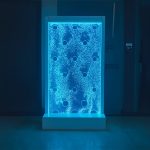
Bubble tubes combine moving bubbles, changing colours, and gentle movement to provide visual and auditory stimulation. They can become a calming focal point in a sensory room and are commonly used as part of sensory equipment for autism and additional needs.
Projectors and Visual Effects
Projectors can create moving patterns, colours, and themed visual effects across walls or ceilings. They allow schools to change the sensory environment according to different activities and individual preferences.
Tactile Sensory Equipment
Textured Sensory Toys
Textured sensory toys provide different surfaces and materials for children to touch, squeeze, manipulate, and explore. They can support tactile exploration while helping children become more comfortable with different sensory inputs.
Sensory Tiles
Sensory tiles offer children an opportunity to explore different textures through touch or movement. They can be used on floors or as part of interactive activities and are a practical choice when selecting sensory equipment for schools.
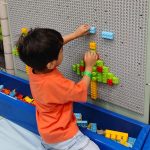
Tactile Panels
Tactile panels feature different textures, shapes, and interactive elements that encourage hands-on exploration. They can help develop fine motor skills, hand-eye coordination, and sensory awareness.
Fidget and Manipulation Tools
Fidget and manipulation tools give children something safe and purposeful to hold, twist, squeeze, or move. They can support focus and provide a simple way to manage the need for additional tactile input.
Vestibular and Movement Equipment
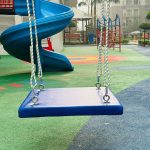
Sensory Swings
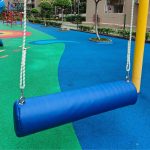
Sensory swings provide controlled movement that can support vestibular input and body awareness. They can be used for calming, movement breaks, and sensory activities when selected and installed according to appropriate safety requirements.
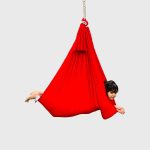
Lycra Sensory Tunnels
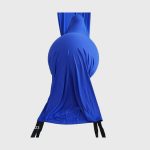
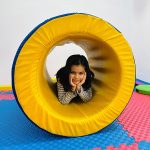
Lycra sensory tunnels provide gentle resistance and a comfortable enclosed space for crawling, stretching, and movement. They can offer both tactile and proprioceptive input while making sensory activities more engaging.
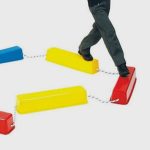
Balance Equipment
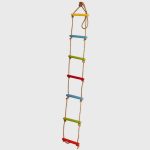
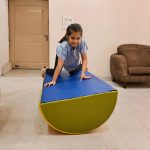
Balance equipment encourages children to move, stretch, balance, and coordinate their bodies. These activities can support gross motor development while adding an active element to a school sensory room.
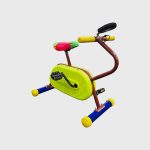
Kids’ Exercise and Movement Equipment
Kids’ exercise equipment can help children release excess energy through safe and structured movement. Activities such as stretching, stepping, and simple exercises can contribute to coordination, body awareness, and physical development.
Proprioceptive and Heavy-Work Equipment
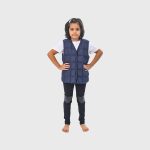
Weighted Jackets
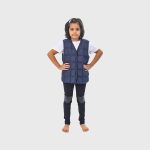
Weighted jackets can provide deep-pressure input that some children may find calming and organising. They should always be used appropriately and according to the child’s individual needs and professional guidance.
Resistance Equipment
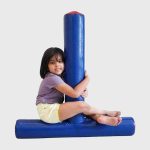
Resistance equipment allows children to push, pull, stretch, or work against resistance. These activities can provide proprioceptive input and support body awareness, coordination, and controlled movement.
Crash Mats
Crash mats provide a soft and secure surface for movement-based sensory activities. They can be useful for jumping, rolling, stretching, or other gross motor activities while helping create a safer sensory environment.
Push and Pull Activities
Push and pull activities provide heavy-work opportunities that engage large muscle groups. Simple activities such as pushing objects or pulling resistance equipment can support proprioceptive input and help children regulate their energy levels.
Auditory Sensory Equipment
Sound and Music Equipment
Sound and music equipment allows schools to introduce controlled auditory experiences into the sensory room. Gentle music, nature sounds, or rhythmic activities can be used to create a calming or engaging environment based on individual preferences.
Noise-Reducing Headphones
Noise-reducing headphones can help children manage unwanted or overwhelming sounds. They can be particularly useful for children who are sensitive to noise and need a quieter environment to relax or refocus.
Calming Audio Resources
Calming audio resources such as gentle music, nature sounds, or guided relaxation tracks can support relaxation during sensory breaks. They can be combined with other sensory room equipment to create a more personalised and comfortable sensory experience.
Benefits of Sensory Rooms in Schools
A well-designed sensory room can provide children with a supportive space where they can manage sensory input, take meaningful breaks, and engage in activities suited to their individual needs. With appropriate sensory room equipment, schools can create an environment that supports both learning and overall development.
Supports Emotional Regulation
Sensory rooms give children a calm and controlled environment where they can take a break when they feel overwhelmed. Activities involving movement, touch, light, or calming sounds can help children manage their emotions and return to the classroom feeling more settled.
Helps Improve Focus and Attention
A sensory break can help children step away from excessive classroom stimulation and reset before returning to learning. The right sensory equipment for schools can provide structured activities that encourage children to focus, engage, and participate more comfortably in classroom routines.
Encourages Sensory Exploration
Sensory rooms allow children to safely experience different textures, movements, sounds, lights, and visual effects. Using a variety of sensory room products encourages curiosity and helps children explore how they respond to different types of sensory input.
Supports Children with Autism and Additional Needs
Sensory rooms can be particularly valuable for children with autism and other additional needs who may experience sensory input differently. Appropriate sensory equipment for autism can provide opportunities for calming, movement, tactile exploration, and sensory breaks based on each child’s individual requirements.
How to Choose the Right Sensory Room Equipment for a School
Choosing the right sensory room equipment requires more than simply selecting a range of sensory products. Schools should consider the children’s individual needs, the available space, safety requirements, and how frequently the equipment will be used.
Age and Developmental Needs
Sensory needs can vary significantly depending on a child’s age and stage of development. When selecting sensory equipment for schools, consider whether the products are suitable for the children’s age, abilities, motor skills, and developmental requirements.
Safety and Durability
Safety should always be a priority when setting up a school sensory room. Choose sensory room products made from durable, child-friendly materials and check that movement-based equipment is suitable for regular use. Equipment should also be installed and used according to the manufacturer’s safety guidelines.
Available Room Space
The size and layout of the room will determine which sensory room equipment can be included. Measure the available space before purchasing larger items and ensure there is enough room for children to move safely between different sensory areas.
Different Sensory Needs
Children may respond differently to lights, sounds, textures, movement, and pressure. A well-planned sensory room should therefore include a variety of sensory equipment for autism and other sensory needs, allowing staff to choose activities based on each child’s preferences and requirements.
Ease of Cleaning and Maintenance
Sensory equipment used in schools needs regular cleaning and maintenance, particularly when it is shared by multiple children. Look for products that are easy to wipe, clean, inspect, and maintain so the sensory room remains hygienic, safe, and ready for everyday use.
Final Thought
A sensory room can be much more than a quiet space within a school. When thoughtfully planned with the right sensory room equipment, it can become a supportive environment where children can move, explore, relax, and develop skills at their own pace.
From tactile and visual resources to movement and calming equipment, every element should have a purpose and reflect the needs of the children using the space. Special Supplies offers a range of sensory products designed to help schools create engaging and supportive sensory environments for children with different needs.
Frequently Asked Questions
What equipment is needed for a school sensory room?
A school sensory room can include a combination of sensory lighting, bubble tubes, fibre optic lights, tactile toys, sensory tiles, movement equipment, weighted jackets, crash mats, and calming audio resources. The right sensory room equipment depends on the children’s individual sensory and developmental needs.
What is the best sensory equipment for autism?
There is no single best sensory equipment for autism, as every child can respond differently to sensory input. Tactile toys, sensory lighting, movement equipment, weighted products, and calming resources can all be considered based on the child’s individual requirements and professional recommendations.
How does a sensory room help children in schools?
A sensory room provides a safe and controlled space where children can take sensory breaks, regulate emotions, explore different sensory experiences, and refocus before returning to learning. Appropriate sensory equipment for schools can make these activities more structured and engaging.
What should a school consider before buying sensory room products?
Schools should consider the children’s age, developmental needs, sensory preferences, room size, safety, durability, and ease of maintenance. Choosing suitable sensory room products based on these factors can help create a more effective and accessible sensory environment.
Are sensory rooms only for children with autism?
No. Although sensory rooms can be particularly helpful for children with autism and additional needs, they can also benefit children who experience sensory overload, need movement breaks, or find it difficult to concentrate in busy environments.