Lighting plays an important role in how people experience and respond to their surroundings. For individuals with autism, visual environments can have a significant impact on comfort, attention and sensory experiences. Some may prefer soft and calming lights, while others enjoy colourful visual effects, gentle movement and interactive lighting.
This is why choosing the Best Sensory Lights for Autism requires more than simply selecting colourful or attractive lighting equipment. The right choice should consider individual sensory preferences, the purpose of the space and how the lighting will be used.
Sensory lights are commonly used in autism sensory rooms, special education classrooms, occupational therapy centres, hospitals and home environments. They can provide opportunities for visual exploration, engagement, relaxation and interactive activities when selected and used appropriately.
Why Are Sensory Lights Important in Autism-Friendly Environments?
People with autism can experience differences in the way they process sensory information. Visual input, including brightness, colours, movement and lighting patterns, may feel different from one individual to another.
For some, bright or flickering lights can cause discomfort, while others may enjoy watching changing colours, glowing objects or moving light patterns. These preferences can also vary depending on the environment, activity and individual needs.
Sensory lighting provides opportunities to create more adjustable visual environments. Rather than relying on one fixed lighting arrangement, different light sources can be introduced according to the person’s comfort and activity requirements.
5 Popular Types Sensory Lights for Autism
Different sensory lights offer different forms of visual stimulation. Some create gentle movement, while others provide interactive experiences or changing colours.
1. Fibre Optic Lights for Gentle Visual Exploration
Fibre optic lights are among the popular choices for multisensory environments. They consist of multiple thin optical strands that glow with changing colours when connected to an illuminated light source.
The strands create an attractive visual effect without requiring the user to interact with a bright bulb directly. Individuals can look at the glowing strands, hold them, move them or explore their appearance through touch.
Key Features:
- Multiple illuminated strands with changing colours.
- Soft visual effects for close-up exploration.
- Flexible strands that can be held and handled.
- Available in different lengths and configurations.
- Suitable for supervised sensory activities.
2. Bubble Tube Lights for Moving Visual Effects
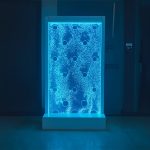
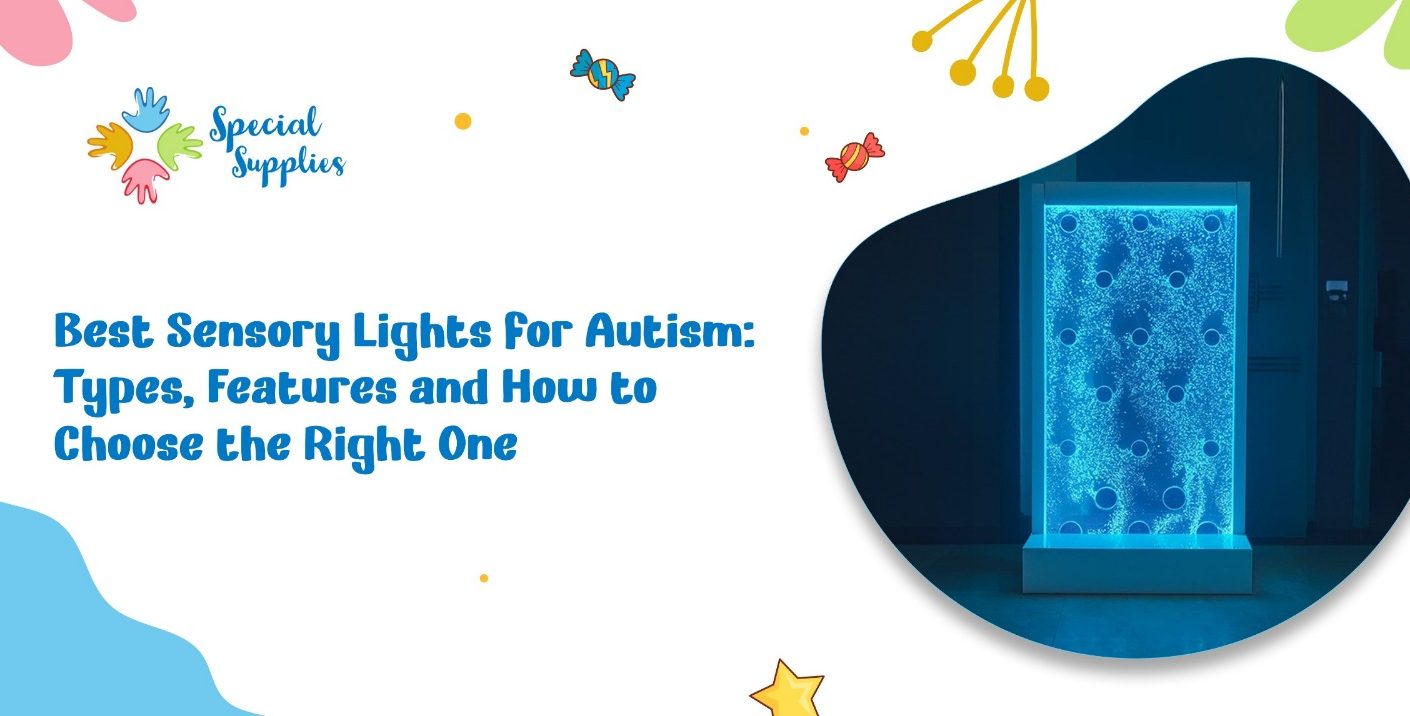
Bubble tubes are vertical illuminated columns filled with water, through which air bubbles continuously move upwards. Many models also feature colour-changing LED lighting that illuminates the bubbles and water.
The combination of movement, colour and illumination creates a distinctive visual display. Some bubble tubes also allow users to observe changing colours and follow the movement of bubbles.
Key Features:
- Vertical transparent columns with illuminated water.
- Continuous upward movement of bubbles.
- Colour-changing lighting options.
- Available in different heights and sizes.
- Some models include interactive controls.
3. Sensory Projector Lights for Visual Stimulation
Sensory projectors create visual patterns, images, colours or moving effects across walls and ceilings. Depending on the equipment, they may project abstract patterns, ocean-inspired visuals, stars or other themed displays.
These lights can transform an ordinary room into a more visually engaging environment without requiring multiple separate light sources.
Key Features:
- Projection of colours, patterns and moving visuals.
- Different themes and visual effects.
- Adjustable projection settings on selected models.
- Suitable for wall and ceiling projection.
- Useful for themed sensory activities.
4. Colour-Changing LED Sensory Lights for Flexible Lighting
Colour-changing LED lights provide an easy way to introduce different lighting colours into a sensory environment. They are available in several forms, including LED panels, lamps, light strips and illuminated sensory units.
These lights allow users or caregivers to change colours according to the activity or personal preference.
Key Features:
- Multiple colour options.
- Adjustable brightness in selected models.
- Different lighting modes.
- Available in portable and fixed installations.
- Energy-efficient lighting options.
5. Interactive Sensory Lights for Cause-and-Effect Activities
Interactive sensory lighting combines illumination with user actions. Depending on the product, lights may respond to pressing buttons, touching panels, activating switches or other simple interactions.
Unlike equipment that mainly encourages observation, interactive lighting gives users an opportunity to participate and explore how their actions change the visual environment.
Key Features:
- Touch or button-activated lighting.
- Different colours and visual responses.
- Interactive controls.
- Opportunities for independent exploration.
- Suitable for structured sensory activities.
How to Choose the Right Sensory Lighting for Different Environments
For Schools and Special Education Centres
Interactive Lighting Equipment: Using interactive light panels and adjustable LED lights can encourage visual exploration and participation in planned classroom activities. These options can also be included in activities involving colour recognition, visual attention and simple cause-and-effect interactions.
Dedicated Sensory Activity Areas: Setting up sensory projectors and other lighting equipment in designated spaces can provide opportunities for structured sensory activities. Having a separate area also helps students use sensory equipment without disturbing regular classroom activities.
Suitable Classroom Lighting: Maintaining comfortable general lighting alongside sensory equipment ensures that students can continue everyday activities such as reading, writing and learning. Sensory lights should complement the classroom environment rather than replace the lighting required for regular educational tasks.
For Occupational Therapy Centres
Individual Sensory Requirements: Selecting fibre optic lights, bubble tubes and interactive lighting according to individual sensory preferences can make activities more suitable for each user. Therapists can consider the person’s response to brightness, colours and movement before introducing specific equipment.
Flexible Lighting Options: Adjustable lighting equipment allows therapists to modify brightness, colours and visual effects according to the requirements of different activities. This flexibility helps create a more adaptable environment for individual sessions and changing activity needs.
Purpose-Based Equipment Selection: Choosing sensory lights according to therapy objectives helps create meaningful visual experiences without unnecessary stimulation. Equipment should be selected based on the planned activity, the individual’s comfort and the level of interaction required.
For Home Use
Compact and Portable Options: Portable sensory lamps and smaller fibre optic lights are practical choices for home environments where space may be limited. They can be placed in a dedicated corner or activity area and moved when required.
Safety and Ease of Use: Selecting equipment with simple controls, durable construction and appropriate safety features makes everyday use more convenient. Parents should also check cable placement, installation requirements and manufacturer instructions before introducing sensory lighting at home.
Adjustable Lighting: Lights with adjustable brightness and colour settings allow parents to modify the environment according to the child’s comfort and preferences. Being able to reduce brightness or switch off visual effects also helps avoid unwanted stimulation when the child needs a break
Common Mistakes to Avoid When Buying Sensory Lights for Autism.
1. Choosing Lights Only for Their Colours: Bright colours and multiple lighting effects may look attractive, but they may not be comfortable for every individual.
2. Ignoring Brightness Control: Fixed-brightness lighting can be difficult to adapt when sensory preferences or activity requirements change.
3. Overloading the Sensory Room: Installing too many lights and visual effects together can create unnecessary visual stimulation. A balanced arrangement is often more practical.
4. Overlooking Flicker and Glare: Low-quality lighting may produce flicker or harsh reflections. These factors should be checked before installation.
5. Ignoring Maintenance Requirements: Equipment such as bubble tubes may need regular cleaning and maintenance. Consider these requirements before selecting products for frequent institutional use.
6. Treating Sensory Lights as a Therapy by Themselves: Sensory lighting can support planned activities, but it should not be presented as a treatment or a guaranteed way to improve autism-related symptoms.
Final Thought
Choosing the best sensory lights for autism is about creating a comfortable visual environment that suits individual needs. From fibre optic lights and bubble tubes to sensory projectors and interactive lighting, the right equipment can make sensory spaces more engaging and adaptable. At Special Supplies, we offer sensory and therapy equipment to help schools, hospitals and therapy centres create thoughtfully designed sensory environments.
Frequently Asked Questions (FAQs)
- Which sensory lights are best for a calming sensory room?
Soft, adjustable lighting, fibre optic lights and bubble tubes may be suitable options for a calming sensory room. The brightness, colours and movement should be selected according to the comfort of the individual.
2. What features should I look for when buying sensory lights for autism?
Look for adjustable brightness, selectable colours, good flicker performance, glare control, durable construction, electrical safety and easy maintenance. The equipment should also suit the age and sensory preferences of its intended users.
3. Can sensory lights be used at home for children with autism?
Yes, suitable sensory lights can be used at home to create dedicated visual activity spaces. Portable fibre optic lights and adjustable sensory lamps are some options. Adult supervision and product safety should always be considered.
4. How do I choose sensory lighting for schools and therapy centres?
Consider the available space, number of users, planned activities, safety requirements and maintenance needs. A combination of different lighting equipment may be useful, provided the setup remains adjustable and does not create excessive visual stimulation.
5. Are colour-changing LED lights suitable for autism sensory rooms?
Yes, colour-changing LED lights can be used in sensory rooms because they offer different colour options and adjustable lighting effects. Select models with brightness controls and suitable flicker performance.